Top-rated earthquake insurance for homes in California – In California, where earthquakes are a constant threat, safeguarding your home with top-rated earthquake insurance is paramount. This comprehensive guide delves into the intricacies of earthquake insurance, empowering homeowners to make informed decisions that ensure their financial well-being in the face of seismic events.
With in-depth analysis, expert insights, and practical advice, we unravel the complexities of earthquake insurance, helping you navigate the market and choose the policy that best suits your needs. Whether you’re a first-time homeowner or a seasoned property owner, this guide provides the knowledge and tools you need to protect your home and family from the devastating financial consequences of an earthquake.
Market Overview

California is a seismically active state, with a long history of earthquakes. The state is home to the San Andreas Fault, one of the most active seismic faults in the world. In addition to the San Andreas Fault, California has numerous other active faults that can produce damaging earthquakes.
Earthquakes can cause significant damage to homes and other structures. In some cases, earthquakes can even cause injuries or death. Earthquake insurance can help homeowners protect themselves from the financial losses that can result from an earthquake.
Frequency and Severity of Earthquakes in California
California has a long history of earthquakes. The state has experienced several major earthquakes in the past century, including the 1906 San Francisco earthquake and the 1989 Loma Prieta earthquake.
According to the California Geological Survey, there is a 99% chance that a magnitude 6.7 or greater earthquake will occur in California in the next 30 years. This means that it is important for homeowners in California to have earthquake insurance.
When it comes to protecting your home in California, earthquake insurance is essential. And just like with auto insurance, finding the right coverage for your needs is crucial. If you have a history of multiple claims, you may find it challenging to secure affordable auto insurance.
But don’t worry; there are insurers who specialize in top-rated auto insurance for drivers with multiple claims. Returning to the topic of earthquake insurance, it’s important to compare quotes from different providers to find the best coverage and rates for your California home.
Insurance Policy Comparison
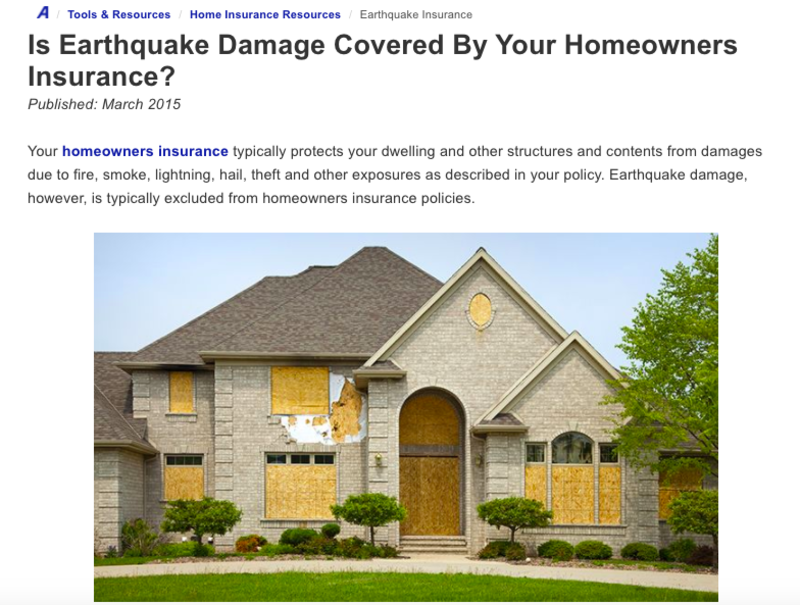
When comparing earthquake insurance policies, it’s crucial to understand the coverage, deductibles, and premiums involved. Each policy varies in its terms and conditions, catering to different needs and budgets.
Coverage
Earthquake insurance policies typically cover damage to the structure of your home, including the foundation, walls, roof, and attached structures like garages and patios. Some policies may also cover personal belongings, such as furniture, appliances, and electronics.
Deductibles
The deductible is the amount you pay out of pocket before your insurance coverage kicks in. Deductibles for earthquake insurance policies can range from 5% to 20% of the total coverage amount. A higher deductible will result in a lower premium, but you’ll have to pay more out of pocket in the event of a claim.
To ensure financial protection against potential earthquakes in California, it’s crucial to consider top-rated earthquake insurance for homes. These policies can provide peace of mind and financial assistance in the event of an earthquake. While homeowners in California prioritize earthquake insurance, new riders in other regions may seek affordable motorcycle insurance.
To guide new riders in securing cheap motorcycle insurance, a comprehensive guide ( How to get cheap motorcycle insurance for new riders ) offers valuable tips and insights. Returning to the topic of earthquake insurance, it’s recommended to compare policies from reputable providers to find the best coverage for your specific needs.
Premiums
The premium is the annual cost of your earthquake insurance policy. Premiums are determined by factors such as the coverage amount, deductible, location, and age of your home. High-risk areas with a history of earthquakes will have higher premiums than low-risk areas.
Policy Options
There are various earthquake insurance policy options available to meet different needs and budgets:
- Basic Coverage: Covers the structure of your home and attached structures.
- Extended Coverage: Includes coverage for personal belongings and additional living expenses if your home is uninhabitable after an earthquake.
- Replacement Cost Coverage: Pays to replace your home and belongings with new ones of comparable value.
- Actual Cash Value Coverage: Pays the depreciated value of your home and belongings at the time of the earthquake.
Factors to Consider: Top-rated Earthquake Insurance For Homes In California
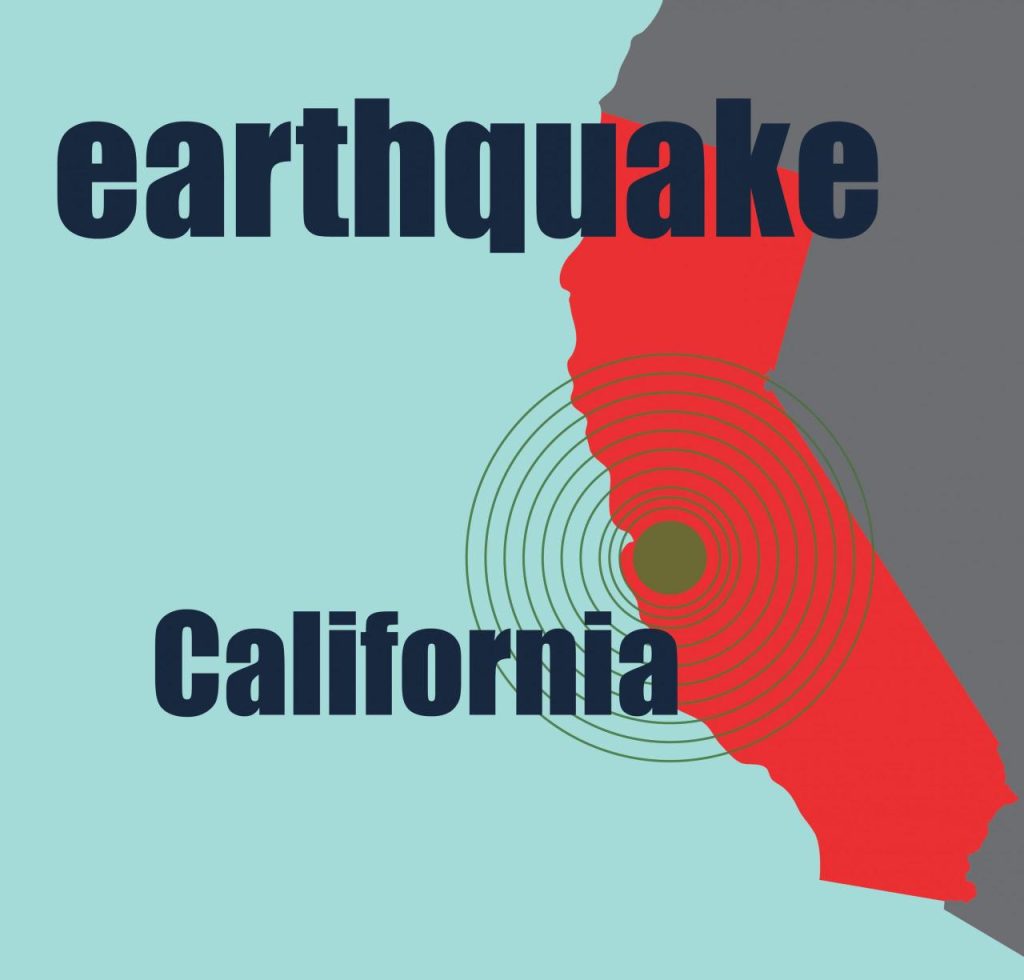
When choosing an earthquake insurance policy, homeowners should consider several factors to ensure adequate coverage and financial protection.
Understanding the policy’s coverage limits is crucial. These limits determine the maximum amount the insurer will pay for covered damages. Deductibles, the amount the homeowner pays before the insurance coverage begins, should also be carefully considered. Higher deductibles often result in lower premiums, but homeowners should choose an amount they can afford to pay in the event of an earthquake.
Exclusions in the policy should be thoroughly reviewed. Some policies may exclude coverage for certain types of damage, such as damage caused by landslides or flooding. Homeowners should ensure that their policy covers the specific risks they face in their location.
Reputable Insurance Providers
When selecting an earthquake insurance provider in California, it is crucial to consider the company’s financial stability, customer service, and claim settlement process. Here are some of the top-rated earthquake insurance providers in the state:
These providers offer a range of coverage options and competitive rates, ensuring that homeowners can find the right policy to meet their specific needs.
AAA, Top-rated earthquake insurance for homes in California
- Strong financial stability with an A+ rating from A.M. Best
- Excellent customer service with a high customer satisfaction rating
- Streamlined claim settlement process with a dedicated team of adjusters
Chubb
- Exceptional financial stability with an A++ rating from A.M. Best
- Comprehensive coverage options with customizable deductibles and limits
- Experienced underwriting team with a deep understanding of earthquake risks
CSAA Insurance Group
- Strong financial stability with an A+ rating from A.M. Best
- Local expertise with a focus on California earthquake insurance
- Wide range of coverage options and discounts for bundling policies
Farmers Insurance
- Excellent financial stability with an A+ rating from A.M. Best
- Extensive network of agents and brokers for personalized service
- Simplified claim process with online reporting and tracking
State Farm
- Exceptional financial stability with an A++ rating from A.M. Best
- Widely recognized brand with a long history of providing earthquake insurance
- Competitive rates and discounts for loyalty and safety features
Claim Process and Settlement

Filing an earthquake insurance claim can be a complex process, but it’s crucial to understand the steps involved to ensure a smooth and successful settlement.
The claim process typically begins by contacting your insurance provider and reporting the damage. You will need to provide details about the earthquake, the extent of the damage, and any injuries or losses.
Preparing for the Claim Process
To prepare for the claim process, it’s important to:
- Keep a record of all damage, including photos and videos.
- Gather documentation to support your claim, such as receipts for repairs or medical expenses.
- Review your policy to understand your coverage and limitations.
- Contact your insurance provider as soon as possible after the earthquake.
Navigating the Claim Process
Once you have filed a claim, your insurance provider will assign an adjuster to investigate the damage and determine the amount of your settlement.
The adjuster will typically visit your property to assess the damage and interview you about the incident. You should be prepared to provide documentation and answer questions about the damage.
Once the adjuster has completed their investigation, they will make a settlement offer. You can negotiate the settlement amount with the adjuster, but it’s important to be reasonable in your expectations.
Factors Affecting Settlement Speed and Amount
The speed and amount of your settlement can be affected by several factors, including:
- The severity of the damage
- The coverage limits of your policy
- The availability of evidence to support your claim
- The adjuster’s assessment of the damage
- The insurance company’s claims processing procedures
Additional Considerations

Apart from private insurance, homeowners should be aware of government assistance programs and the importance of building codes and seismic retrofits in earthquake preparedness.
Government assistance programs, such as the Federal Emergency Management Agency (FEMA) and the California Earthquake Authority (CEA), provide financial aid to victims of earthquakes. FEMA offers grants for temporary housing and repairs, while the CEA provides low-cost earthquake insurance to California residents.
Building Codes and Seismic Retrofits
Building codes and seismic retrofits play a crucial role in reducing earthquake damage. Building codes set standards for the construction of new buildings to withstand earthquakes, while seismic retrofits strengthen existing buildings to make them more resistant to seismic activity.
Homeowners should consider seismic retrofits, such as bolting the house to its foundation, reinforcing walls, and installing earthquake-resistant windows, to enhance the safety of their homes.
Resources for Homeowners
Numerous resources are available for homeowners to learn more about earthquake preparedness and insurance options:
- Federal Emergency Management Agency (FEMA): https://www.fema.gov/earthquake
- California Earthquake Authority (CEA): https://www.earthquakeauthority.com/
- Earthquake Country Alliance: https://www.earthquakecountry.org/