Best health insurance for people with chronic illnesses – Navigating the complexities of health insurance can be daunting, especially for individuals living with chronic illnesses. This comprehensive guide will delve into the types of coverage available, factors to consider when choosing a plan, and strategies for managing healthcare costs, empowering you to make informed decisions about your health insurance.
Types of Chronic Illnesses
Chronic illnesses are conditions that last for a long time and cannot be cured. They can be managed, but they can have a significant impact on a person’s life.
There are many different types of chronic illnesses, including:
- Heart disease
- Cancer
- Diabetes
- Arthritis
- Chronic obstructive pulmonary disease (COPD)
- Alzheimer’s disease
- Parkinson’s disease
- Multiple sclerosis
- HIV/AIDS
- Lupus
Chronic illnesses can have a significant impact on a person’s life. They can cause pain, fatigue, and other symptoms that can make it difficult to work, go to school, or participate in other activities.
Chronic illnesses can also lead to financial problems. The cost of medical care, medications, and other expenses can be overwhelming. People with chronic illnesses may also have to take time off from work or reduce their hours, which can lead to a loss of income.
Despite the challenges, people with chronic illnesses can live full and active lives. With proper treatment and support, they can manage their symptoms and live well.
Impact of Chronic Illnesses on Individuals
Chronic illnesses can have a significant impact on a person’s physical, mental, and emotional health. They can cause pain, fatigue, and other symptoms that can make it difficult to work, go to school, or participate in other activities.
Chronic illnesses can also lead to financial problems. The cost of medical care, medications, and other expenses can be overwhelming. People with chronic illnesses may also have to take time off from work or reduce their hours, which can lead to a loss of income.
In addition to the physical and financial challenges, chronic illnesses can also take a toll on a person’s mental and emotional health. People with chronic illnesses may experience depression, anxiety, and other mental health problems. They may also feel isolated and alone.
Individuals with chronic illnesses should prioritize securing comprehensive health insurance that caters to their specific needs. While exploring insurance options, it’s equally crucial for Harley Davidson owners to consider specialized motorcycle insurance policies designed to protect their prized possessions. Top-rated motorcycle insurance for Harley Davidson owners offers tailored coverage and peace of mind for riders.
Returning to the topic of health insurance, individuals with chronic conditions should carefully assess various plans to find one that aligns with their unique circumstances and provides the necessary support for their well-being.
Despite the challenges, people with chronic illnesses can live full and active lives. With proper treatment and support, they can manage their symptoms and live well.
Health Insurance Coverage for Chronic Illnesses

Individuals with chronic illnesses face unique healthcare challenges, making it essential to have adequate health insurance coverage. Various types of insurance plans are available, each with its benefits and limitations. Understanding your coverage is crucial for accessing necessary medical care and managing expenses.
Individuals with chronic illnesses often face challenges in securing affordable health insurance. Fortunately, various options are available to meet their unique needs. While navigating these options, it’s essential to consider additional financial assistance programs. For instance, military veterans may qualify for car insurance discounts , which can free up funds for essential healthcare expenses.
By exploring all available resources, individuals with chronic illnesses can ensure they receive the best possible coverage and financial support.
Types of Health Insurance Coverage
- Private Health Insurance: These plans are offered by private insurance companies and can provide comprehensive coverage for a range of medical expenses, including chronic conditions. They may have higher premiums but often offer more flexibility and choice of providers.
- Medicare: A government-funded program for individuals aged 65 and older or with certain disabilities. Medicare Part A covers hospital stays and Part B covers medical expenses, including chronic illness management.
- Medicaid: A government-funded program for low-income individuals and families. Medicaid covers a wide range of medical services, including chronic illness care.
- Supplemental Insurance: These plans are designed to fill gaps in coverage provided by primary health insurance. They can cover out-of-pocket expenses, such as co-pays and deductibles, and may include specific benefits for chronic conditions.
Benefits and Limitations of Each Type of Coverage
The benefits and limitations of each type of health insurance coverage vary depending on factors such as age, income, and specific health needs. It is important to research and compare plans carefully to find the best option for your individual circumstances.
Importance of Understanding Your Insurance Coverage, Best health insurance for people with chronic illnesses
Thoroughly understanding your health insurance coverage is crucial for accessing the necessary medical care and managing healthcare costs. By reviewing your policy, you can identify covered services, out-of-pocket expenses, and any limitations or exclusions. This knowledge empowers you to make informed decisions about your healthcare and avoid unexpected financial burdens.
Factors to Consider When Choosing Health Insurance: Best Health Insurance For People With Chronic Illnesses
When choosing health insurance for chronic illnesses, it’s crucial to consider several key factors to ensure you have the coverage you need.
Thoroughly compare different health insurance plans to identify the one that best meets your specific requirements and offers the most comprehensive coverage for your chronic condition.
Network Coverage
- Verify that your preferred healthcare providers and specialists are within the plan’s network.
- Consider the availability of in-network facilities for necessary treatments and procedures.
Coverage Limits
- Examine the annual and lifetime coverage limits for essential services related to your chronic illness.
- Ensure the plan provides adequate coverage for prescription medications, hospital stays, and other necessary treatments.
Deductibles and Copayments
- Determine the amount you will be responsible for paying before insurance coverage begins (deductible).
- Consider the copayments for doctor visits, prescription medications, and other healthcare services.
Premiums
- Compare the monthly or annual premiums for different plans.
- Factor in the overall cost of coverage, including premiums, deductibles, and copayments.
Additional Benefits
- Explore additional benefits offered by different plans, such as wellness programs, disease management support, and telemedicine services.
- Consider the value of these benefits in relation to your specific healthcare needs.
Financial Considerations
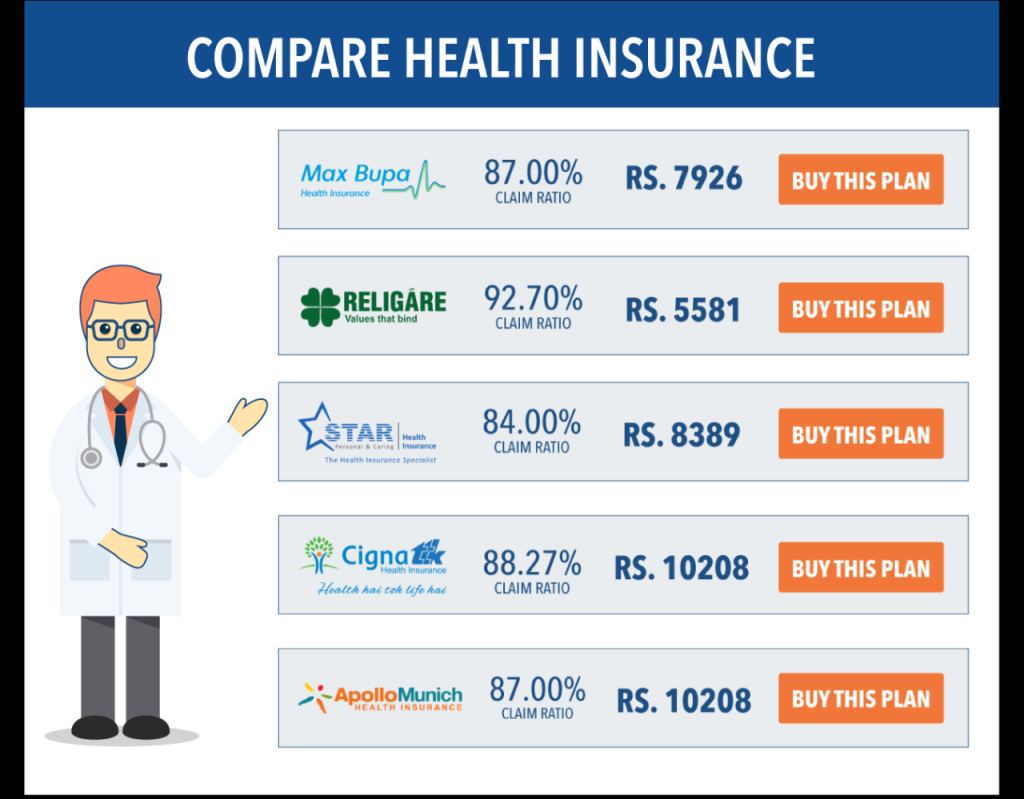
Living with a chronic illness can have significant financial implications. Medical expenses, lost income, and other costs can accumulate over time, putting a strain on individuals and families.
Estimating the costs of healthcare is crucial for planning and managing expenses. Consider the following factors:
Medical Expenses
- Doctor visits and specialist consultations
- Hospital stays and surgeries
- Prescription medications and medical devices
- Physical therapy, rehabilitation, and other treatments
Non-Medical Expenses
- Transportation to and from medical appointments
- Childcare or eldercare if unable to work
- Home modifications for accessibility
- Alternative therapies and complementary treatments
Strategies for Managing Healthcare Costs
- Health Insurance: Explore different health insurance plans to find one that provides adequate coverage for chronic conditions.
- Negotiate Medical Bills: Contact healthcare providers to inquire about discounts, payment plans, or financial assistance programs.
- Generic Medications: Ask doctors about generic alternatives to expensive brand-name medications.
- Community Resources: Seek assistance from non-profit organizations, government programs, or local support groups that offer financial aid or resources.
- Lifestyle Changes: Adopt healthy habits, such as quitting smoking, eating a balanced diet, and exercising regularly, to reduce the risk of complications and associated medical costs.
Resources for People with Chronic Illnesses

Managing a chronic illness can be challenging, but there are resources available to help. These resources can provide support, information, and financial assistance.
Support groups and online communities can provide a sense of belonging and connection with others who understand what you’re going through. They can offer emotional support, share information, and provide a sense of community.
Government Programs
There are several government programs that can provide financial assistance to people with chronic illnesses. These programs include:
- Medicare
- Medicaid
- Supplemental Security Income (SSI)
- Social Security Disability Insurance (SSDI)
These programs can help cover the costs of medical care, prescription drugs, and other expenses.
Financial Assistance
There are also a number of non-profit organizations that provide financial assistance to people with chronic illnesses. These organizations can provide grants, loans, and other forms of financial assistance.
If you’re struggling to manage the costs of your chronic illness, don’t hesitate to reach out for help. There are resources available to help you.