Top flood insurance for homeowners in high-risk flood zones – In the face of increasingly unpredictable weather patterns, flood insurance has become a crucial safeguard for homeowners in high-risk flood zones. Top flood insurance providers offer comprehensive coverage to protect your property and belongings from the devastating effects of flooding.
As you navigate the complexities of flood insurance, this guide will empower you with the knowledge and insights to make informed decisions and secure the best protection for your home.
Top Flood Insurance Providers for High-Risk Zones
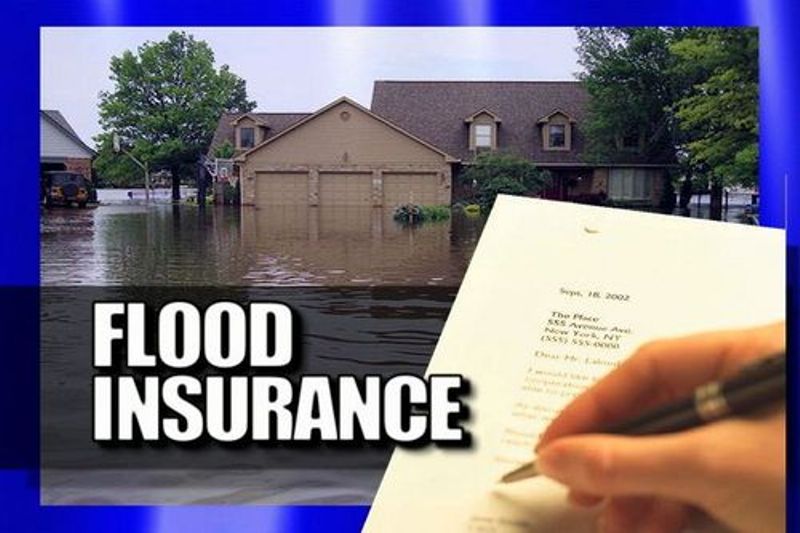
Homeowners in high-risk flood zones require specialized flood insurance to protect their properties and belongings from potential flood damage. Understanding the types of flood insurance available and comparing the offerings of top providers is crucial for making informed decisions.
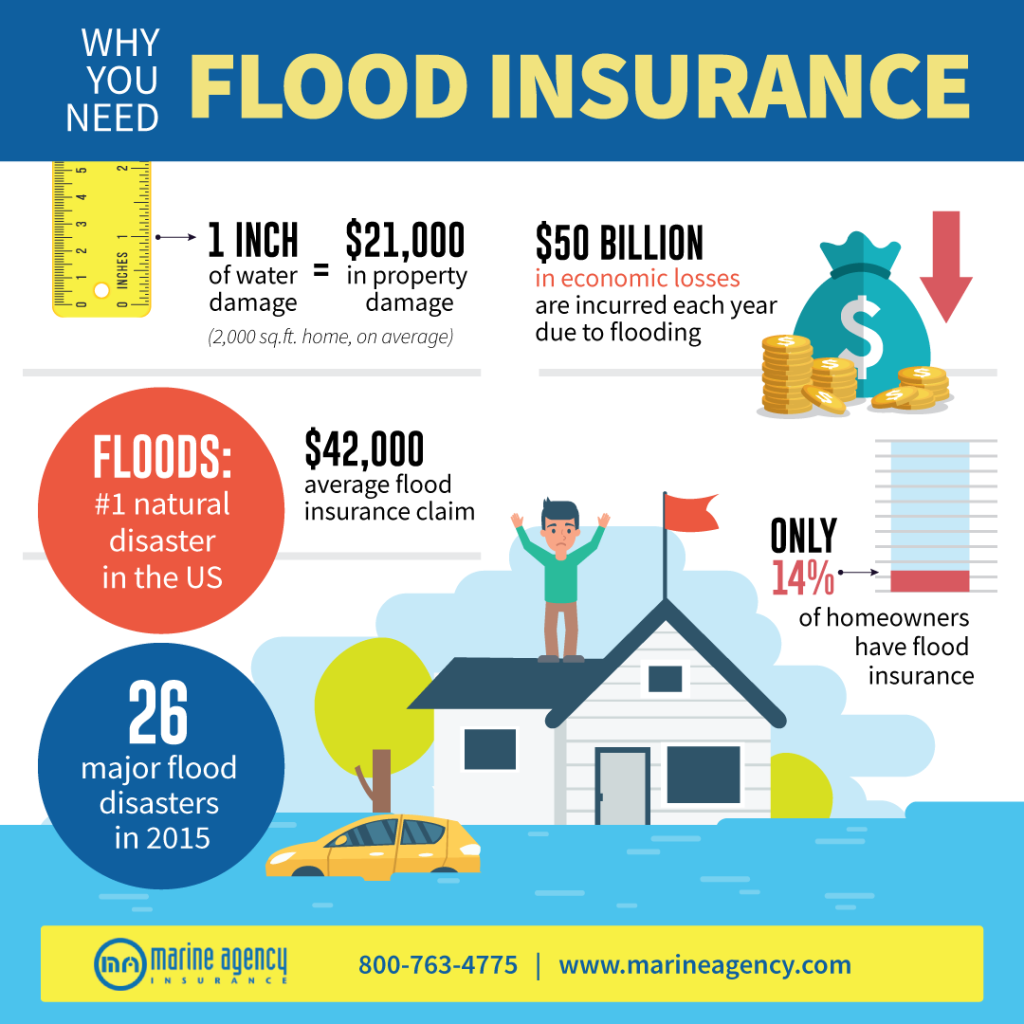
Top flood insurance for homeowners in high-risk flood zones is essential for protecting your property from financial devastation. While homeowners in hurricane-prone coastal areas in Florida may have specific insurance needs, such as affordable home insurance , flood insurance remains a crucial component of a comprehensive insurance plan.
Flood insurance can provide peace of mind and financial protection for homeowners in high-risk flood zones.
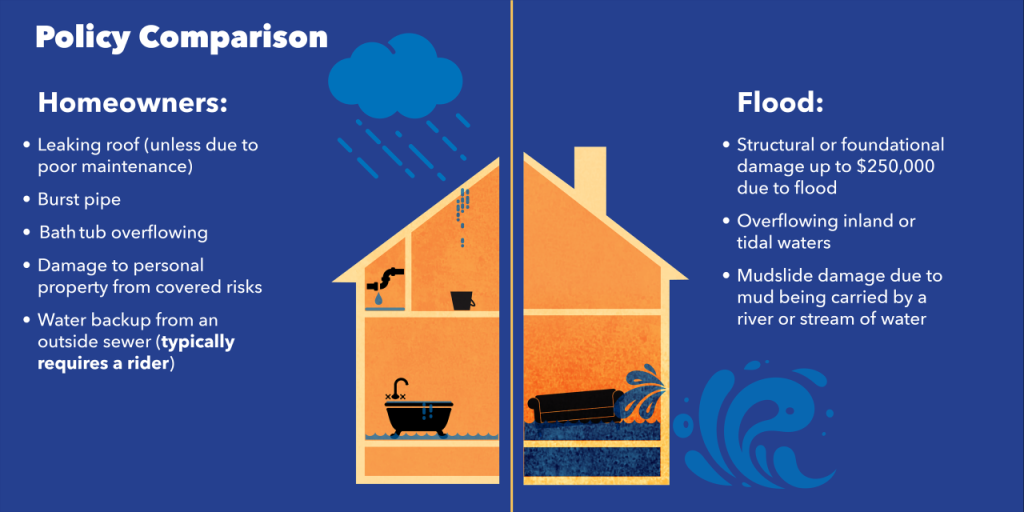
Flood insurance policies typically cover damage caused by rising water, including flooding from rivers, streams, and coastal surges. Different types of flood insurance include:
- Building Coverage: Protects the physical structure of the home, including its foundation, walls, and roof.
- Contents Coverage: Covers personal belongings within the home, such as furniture, appliances, and clothing.
- Loss of Use Coverage: Reimburses expenses incurred if the home becomes uninhabitable due to flood damage.
Comparison of Top Flood Insurance Providers
The following table compares the coverage, premiums, and deductibles of the top flood insurance providers for high-risk zones:
| Provider | Coverage Limits | Premiums | Deductibles |
|---|---|---|---|
| National Flood Insurance Program (NFIP) | Up to $250,000 for building coverage, $100,000 for contents coverage | Varies based on risk level | $1,000 for building coverage, $500 for contents coverage |
| Assurant | Up to $1 million for building coverage, $500,000 for contents coverage | Typically higher than NFIP | $5,000 for building coverage, $2,500 for contents coverage |
| Chubb | Up to $5 million for building coverage, $2 million for contents coverage | Typically higher than NFIP and Assurant | $10,000 for building coverage, $5,000 for contents coverage |
It’s important to note that premiums and deductibles can vary depending on the specific risk factors associated with the property, such as its location, elevation, and history of flooding.
Top flood insurance provides crucial protection for homeowners in high-risk flood zones. While college students may not face the same flood risks, affordable renters insurance offers peace of mind for their belongings in on-campus dorms. However, when considering flood insurance, homeowners should thoroughly research and compare policies to ensure adequate coverage for their specific flood risk level.
Factors to Consider When Choosing a Flood Insurance Policy
When choosing a flood insurance policy, it is important to consider several factors to ensure you have adequate coverage for your needs. These factors include:
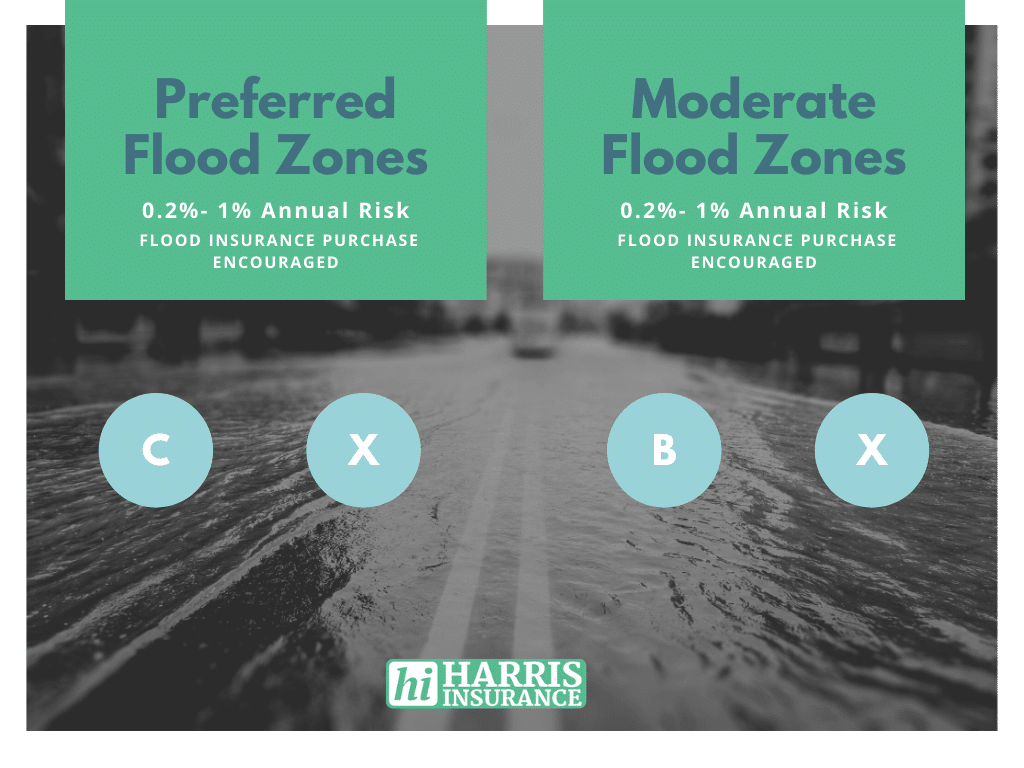
- Location of the property: The location of your property is a major factor in determining your flood risk. Properties located in high-risk flood zones are more likely to experience flooding than properties located in low-risk flood zones.
- Age of the building: Older buildings are more likely to be damaged by flooding than newer buildings. This is because older buildings may not have been built to current flood-resistant standards.
- Elevation of the property: The elevation of your property is another important factor to consider. Properties located at higher elevations are less likely to be flooded than properties located at lower elevations.
In addition to these factors, you should also consider the following when choosing a flood insurance policy:
- The amount of coverage you need
- The deductible you are willing to pay
- The cost of the policy
By considering all of these factors, you can choose a flood insurance policy that meets your specific needs and budget.
Coverage Options for Flood Insurance Policies
Flood insurance policies offer various coverage options to protect homeowners against financial losses caused by flooding. These options include:
- Building coverage: Covers the physical structure of the home, including the foundation, walls, roof, and attached fixtures.
- Contents coverage: Protects personal belongings inside the home, such as furniture, appliances, clothing, and electronics.
- Loss of use coverage: Provides compensation for additional living expenses incurred if the home becomes uninhabitable due to flooding.
Coverage Table
The following table summarizes the different coverage options and their benefits:
| Coverage Type | What it Covers | Benefits |
|---|---|---|
| Building coverage | Physical structure of the home | Protects the home’s value and structural integrity |
| Contents coverage | Personal belongings | Replaces lost or damaged items |
| Loss of use coverage | Additional living expenses | Provides financial assistance for temporary housing, food, and other expenses |
Filing a Flood Insurance Claim
Filing a flood insurance claim can be a stressful process, but it’s important to know what steps to take to ensure you get the coverage you need. Here’s a step-by-step guide to help you file a flood insurance claim:
Step 1: Contact your insurance company.
The first step is to contact your insurance company and report the flood damage. You can do this by phone, email, or through their website.
Step 2: Provide documentation.
Your insurance company will need to see documentation of the damage to your home and belongings. This may include photos, videos, or receipts for repairs.
Step 3: Submit a claim form.
Once you have gathered the necessary documentation, you will need to submit a claim form to your insurance company. The claim form will ask for information about the damage, your policy number, and your contact information.
Step 4: Wait for an adjuster to inspect your property.
An insurance adjuster will be assigned to your claim and will come to your property to inspect the damage. The adjuster will take photos and measurements of the damage and will ask you questions about how the damage occurred.
Step 5: Receive a settlement offer.
Once the adjuster has inspected your property, they will send you a settlement offer. The settlement offer will state the amount of money that your insurance company is willing to pay for the damage.
Step 6: Review the settlement offer and negotiate if necessary.
You should carefully review the settlement offer and make sure that you understand what is covered. If you have any questions, you should contact your insurance company. If you are not satisfied with the settlement offer, you can negotiate with your insurance company.
Step 7: Accept the settlement offer and receive payment.
Once you have agreed to the settlement offer, you will need to sign a release form. The release form will state that you are accepting the settlement offer and that you are releasing your insurance company from any further liability. Once you have signed the release form, your insurance company will send you a check for the settlement amount.
Preventing and Mitigating Flood Damage: Top Flood Insurance For Homeowners In High-risk Flood Zones
Flood damage can be devastating, but there are steps homeowners can take to prevent and mitigate the damage. These include elevating the property, installing flood vents, and creating a flood plan.
Elevation
Elevating the property is one of the most effective ways to prevent flood damage. This involves raising the foundation of the home so that it is above the level of the highest expected floodwaters. Elevation can be done by adding fill dirt to the property, or by raising the home on stilts or piers.
Flood Vents, Top flood insurance for homeowners in high-risk flood zones
Flood vents are openings in the foundation of the home that allow floodwaters to enter and exit the home without causing damage. Flood vents should be installed in all areas of the home that are below the level of the highest expected floodwaters.
Flood Plan
A flood plan is a written document that Artikels the steps that homeowners will take in the event of a flood. The flood plan should include information on how to evacuate the home, how to turn off utilities, and how to contact emergency services.
Resources for Homeowners on Flood Prevention and Mitigation
There are a number of resources available to homeowners on flood prevention and mitigation. These resources include:
* The Federal Emergency Management Agency (FEMA) provides a wealth of information on flood prevention and mitigation. FEMA’s website includes information on flood insurance, flood maps, and flood preparedness.
* The National Flood Insurance Program (NFIP) provides flood insurance to homeowners in high-risk flood zones. The NFIP website includes information on flood insurance coverage, rates, and deductibles.
* The Insurance Institute for Business & Home Safety (IBHS) is a nonprofit organization that provides information on flood prevention and mitigation. The IBHS website includes information on flood-resistant building materials and construction techniques.