How to find cheap travel insurance for backpackers? This question plagues many adventurers seeking to explore the world on a budget. In this guide, we’ll delve into the secrets of securing affordable travel insurance, empowering you to embark on your journeys with peace of mind and financial protection.
From budget-friendly providers to savvy tips for discounts and savings, we’ll navigate the complexities of travel insurance to help you find the best coverage at the most competitive rates. Get ready to unlock the world of affordable travel insurance and embrace your wanderlust without breaking the bank.
Identifying Budget-Friendly Travel Insurance Options: How To Find Cheap Travel Insurance For Backpackers

Finding budget-friendly travel insurance for backpackers can be a daunting task, but it’s essential to protect yourself against unexpected events during your travels. Here’s a comprehensive guide to help you find the best deals:
Consider the following factors when comparing plans:
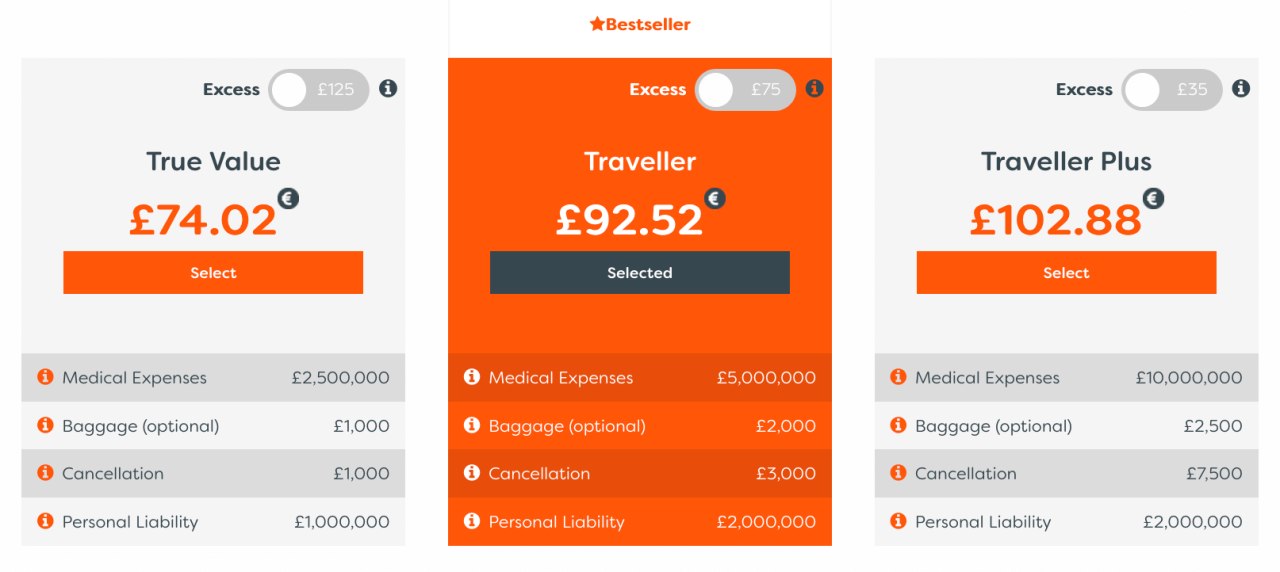
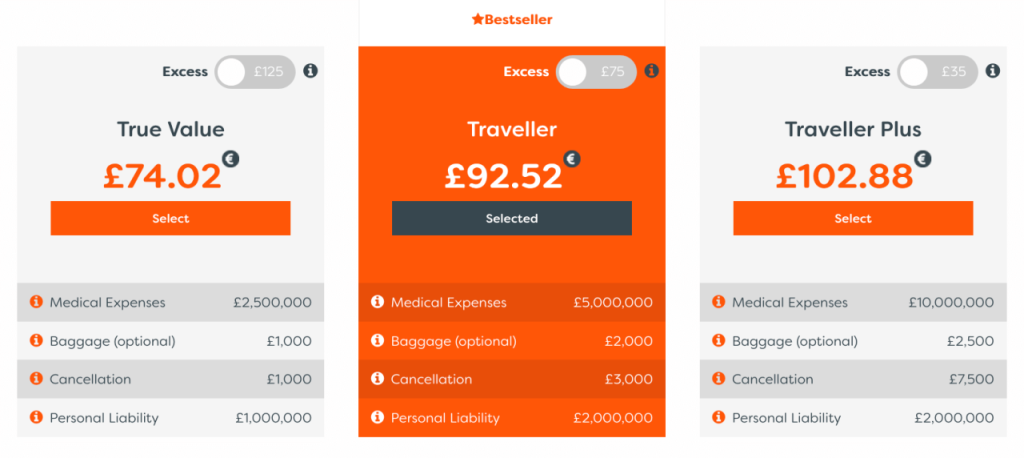
- Coverage Limits: Ensure your policy covers medical expenses, trip cancellation, lost luggage, and other essential aspects.
- Deductibles: Choose a deductible you can afford to pay in case of a claim.
- Exclusions: Read the policy carefully to understand what’s not covered.
Providers for Backpackers
Here are some budget-friendly travel insurance providers specifically designed for backpackers:
- World Nomads
- SafetyWing
- True Traveller
- Insure My Trip
- Allianz Travel Insurance
Understanding the Policy
Before purchasing travel insurance, it’s crucial to understand the terms and conditions:
- Read the policy document thoroughly.
- Ask questions to your insurance provider if anything is unclear.
- Ensure you meet the eligibility criteria and have the necessary documentation.
Exploring Discounts and Savings
Backpackers can uncover significant savings on travel insurance by exploring discounts and promotions. Travel insurance providers frequently offer group discounts for travelers booking together, making it a cost-effective option for those traveling with friends or family.
Additionally, seasonal promotions and loyalty programs can provide substantial savings. By purchasing travel insurance during off-season periods or taking advantage of loyalty programs that reward repeat customers, backpackers can secure lower rates.
Bundling Travel Services
Purchasing travel insurance as part of a travel package or bundled with other travel services, such as flights or accommodation, can often lead to cost savings. Travel providers frequently offer discounts or incentives for bundling multiple services, making it a smart strategy for budget-conscious backpackers.
Negotiating with Insurance Providers
Backpackers should not hesitate to negotiate with insurance providers to secure the best possible rates. By comparing quotes from multiple providers and presenting a well-researched case, backpackers can increase their chances of obtaining favorable terms and conditions.
Comparing Coverage and Benefits

When selecting travel insurance, it’s crucial to compare the coverage and benefits offered by different plans. Travel insurance policies can vary significantly in terms of what they cover and the level of protection they provide.
To make an informed decision, backpackers should consider the specific risks and needs associated with their travel plans. This includes factors such as the destinations they will be visiting, the duration of their trip, and the activities they plan to engage in.
To find cheap travel insurance for backpackers, compare quotes from multiple providers. Consider your destination, trip duration, and activities when selecting a policy. For students in dorms, top-rated renters insurance provides protection for personal belongings and liability. When backpacking, remember to prioritize essential coverage while keeping costs low.
Key Differences Between Insurance Plans
Travel insurance plans typically fall into three categories: basic, standard, and comprehensive.
To safeguard your coastal property in Florida, explore Best home insurance for coastal properties in Florida. Meanwhile, for backpackers seeking budget-friendly travel insurance, consider comparing quotes from reputable providers. Research online reviews and consult travel forums to identify insurers offering competitive rates tailored to backpackers’ needs.
- Basic plans offer limited coverage and are suitable for short trips with low-risk activities.
- Standard plans provide more comprehensive coverage, including medical emergencies, lost or stolen belongings, and trip delays.
- Comprehensive plans offer the most extensive coverage, including adventure activities, extreme sports, and evacuation expenses.
Choosing the Right Plan, How to find cheap travel insurance for backpackers
Backpackers should carefully assess their travel needs and choose a plan that provides adequate coverage for their specific risks. For example, if they plan to engage in adventure activities such as hiking, skiing, or scuba diving, they should opt for a plan that includes coverage for these activities.
It’s also important to consider the level of medical coverage provided by the plan. Backpackers traveling to remote areas or countries with limited healthcare infrastructure should choose a plan with high medical coverage limits.
Understanding Exclusions and Limitations

Travel insurance policies often contain exclusions and limitations that restrict the coverage provided. Backpackers should carefully review the policy wording to avoid any surprises or disputes during a claim. Understanding these exclusions and limitations can help backpackers minimize the risk of their claims being denied.
Common Exclusions
- Pre-existing medical conditions: Most policies exclude coverage for pre-existing medical conditions unless they are specifically declared and covered.
- Adventure activities: High-risk activities such as skydiving, bungee jumping, and scuba diving may be excluded from coverage.
- Illegal activities: Travel insurance does not cover activities that are illegal in the destination country.
- Acts of war or terrorism: Claims related to acts of war or terrorism may be excluded.
- Natural disasters: Some policies may exclude coverage for natural disasters such as earthquakes, hurricanes, and floods.
Limitations
- Maximum coverage amounts: Policies often have maximum coverage amounts for different types of claims, such as medical expenses or lost luggage.
- Deductibles: Backpackers may have to pay a deductible before their coverage kicks in.
- Time limits: Policies may have time limits for filing claims or seeking medical treatment.
- Geographical restrictions: Some policies may only provide coverage in certain countries or regions.
- Age restrictions: Some policies may have age restrictions for coverage.
Tips for Minimizing Risk
- Read the policy carefully: Backpackers should thoroughly review the policy wording before purchasing it to understand the exclusions and limitations.
- Declare pre-existing conditions: Backpackers with pre-existing medical conditions should declare them to the insurer to ensure they are covered.
- Choose a policy that covers adventure activities: If backpackers plan on participating in high-risk activities, they should choose a policy that specifically covers these activities.
- Avoid illegal activities: Backpackers should be aware of the local laws and regulations and avoid any activities that are illegal in the destination country.
- File claims promptly: Backpackers should file claims as soon as possible after an incident to avoid any time limits.
Filing Claims and Seeking Assistance
In the unfortunate event that you need to make a claim on your travel insurance policy, it is crucial to understand the process and provide the necessary documentation to support your claim. Timely communication with your insurance provider throughout the process is also essential.
Documenting Your Claim
When filing a claim, you will need to provide documentation to support your claim. This may include:
- A copy of your travel insurance policy
- A detailed description of the incident that led to the claim
- Receipts or other documentation to support your expenses
- Medical records or other documentation to support medical claims
Communicating with Your Insurance Provider
It is important to communicate with your insurance provider throughout the claims process. This will help to ensure that your claim is processed efficiently and that you receive the benefits you are entitled to. You should keep your insurance provider updated on the status of your claim and provide any additional information that they may request.