
Health insurance for international college students studying in New York – Navigating the healthcare system as an international college student in New York can be daunting, but securing the right health insurance is crucial for your well-being and peace of mind. This comprehensive guide will provide you with all the essential information you need to make informed decisions about your health coverage.
Coverage and Benefits
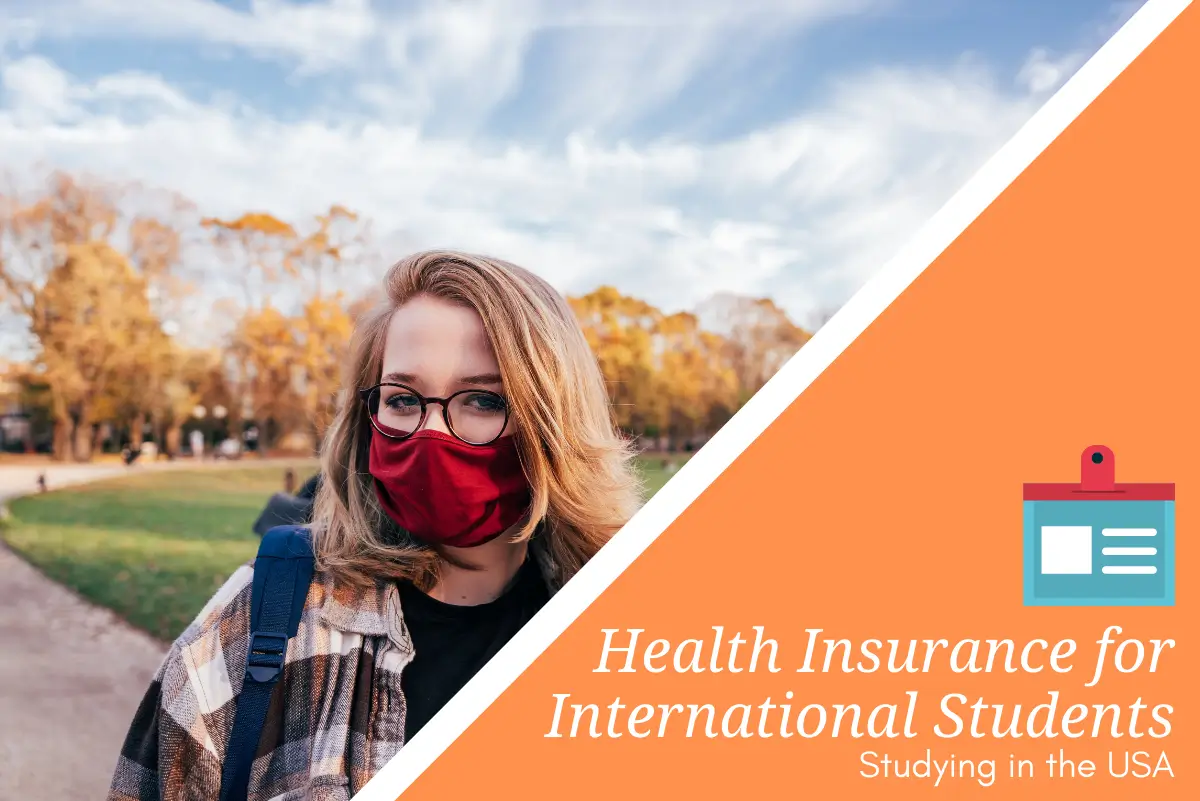
International college students studying in New York have access to a range of health insurance coverage options tailored to their specific needs and budget. These plans provide comprehensive coverage for medical expenses, prescription drugs, and emergency care, ensuring students have access to quality healthcare throughout their studies.
Types of Coverage
- Comprehensive Plans: Offer the most extensive coverage, including medical expenses, prescription drugs, emergency care, and preventive services.
- Basic Plans: Provide essential coverage for major medical expenses, such as hospitalizations and surgeries.
- Catastrophic Plans: Designed for students with a high tolerance for risk, offering coverage for catastrophic medical expenses with lower premiums.
Benefits Included
- Medical Expenses: Coverage for doctor’s visits, hospital stays, surgeries, and other medical treatments.
- Prescription Drugs: Coverage for prescription medications, both generic and brand-name.
- Emergency Care: Coverage for emergency medical services, including ambulance transportation and hospital stays.
- Preventive Services: Coverage for routine checkups, screenings, and vaccinations.
Limitations and Exclusions, Health insurance for international college students studying in New York
- Deductibles: The amount a student must pay out-of-pocket before insurance coverage begins.
- Copayments: Fixed amounts paid for specific medical services, such as doctor’s visits or prescription drugs.
- Out-of-Network Coverage: Coverage for medical services received from providers outside the insurance network may be limited or excluded.
Cost and Premiums: Health Insurance For International College Students Studying In New York

International college students in New York can expect to pay between $1,000 and $3,000 per year for health insurance, depending on the plan they choose and their age. Premiums are typically calculated based on the student’s age, health status, and the level of coverage they need. Some plans may also offer discounts for students who are enrolled in certain programs or who have good grades.
Financial Assistance Programs
There are a number of financial assistance programs available to help international students pay for health insurance. These programs typically provide subsidies or discounts on premiums, and some may even cover the entire cost of insurance. Students who are eligible for these programs should contact their school’s financial aid office to learn more.
International college students studying in New York should prioritize health insurance to safeguard their well-being. While securing coverage, they may encounter challenges similar to first-time drivers with no experience and no credit history seeking car insurance. However, specialized health insurance plans tailored for international students are available to provide comprehensive protection and ensure peace of mind during their academic journey.
Health insurance for international college students studying in New York is essential to protect against unexpected medical expenses. It’s equally important to ensure your furry companions are well-protected. Consider exploring Best pet insurance for older dogs with chronic illnesses to find the right coverage for your senior pet.
Returning to our topic, health insurance for international college students studying in New York can provide peace of mind and financial security in case of medical emergencies.