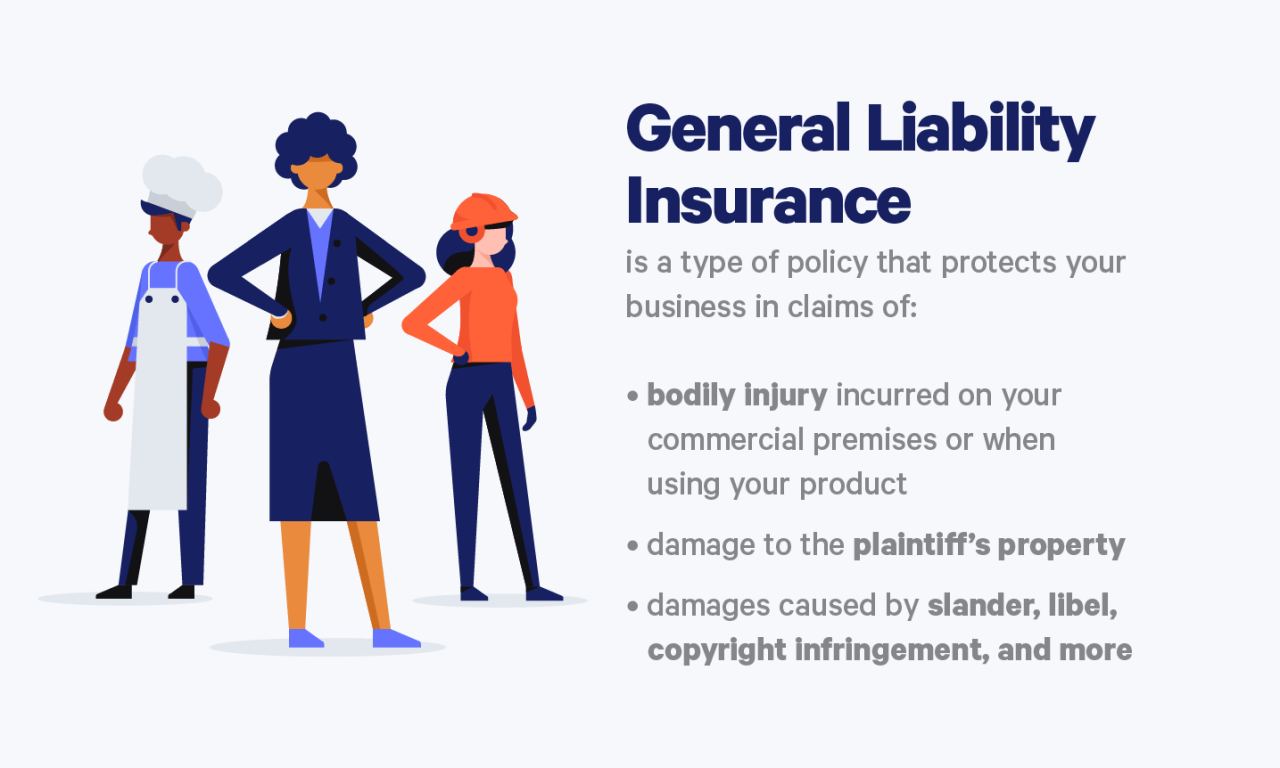
Best liability insurance for small business contractors is a crucial investment that safeguards your business against financial risks and liabilities. As a contractor, you face unique challenges and potential lawsuits, making it essential to have the right coverage in place. This guide will delve into the types of liability insurance available, factors to consider when choosing a policy, and best practices for managing your coverage.
Introduction
Liability insurance is a type of insurance that protects businesses from financial loss resulting from claims of negligence or harm caused to others. It is a crucial coverage for small business contractors, as they face various risks and liabilities in their daily operations.
When it comes to safeguarding your business, liability insurance is a must-have. It protects you from financial losses due to accidents or claims. If you’re a self-employed contractor in Texas, it’s equally crucial to secure comprehensive health insurance. For reliable coverage, explore our in-depth guide on the Best health insurance for self-employed individuals in Texas.
This ensures you have peace of mind knowing you’re protected both professionally and personally.
Contractors may be held responsible for injuries, property damage, or financial losses caused to clients, employees, or third parties. Liability insurance provides a safety net, covering the costs of legal defense, settlements, and judgments.
Potential risks and liabilities faced by contractors include:
- Bodily injury: Injuries to clients, employees, or third parties due to negligence or accidents on the job site.
- Property damage: Damage to client property or equipment during the course of work.
- Financial loss: Claims for breach of contract, professional negligence, or failure to deliver services as promised.
- Environmental damage: Liability for environmental contamination or pollution caused by the contractor’s operations.
- Product liability: Claims for injuries or damages caused by defective products or services provided by the contractor.
Types of Liability Insurance
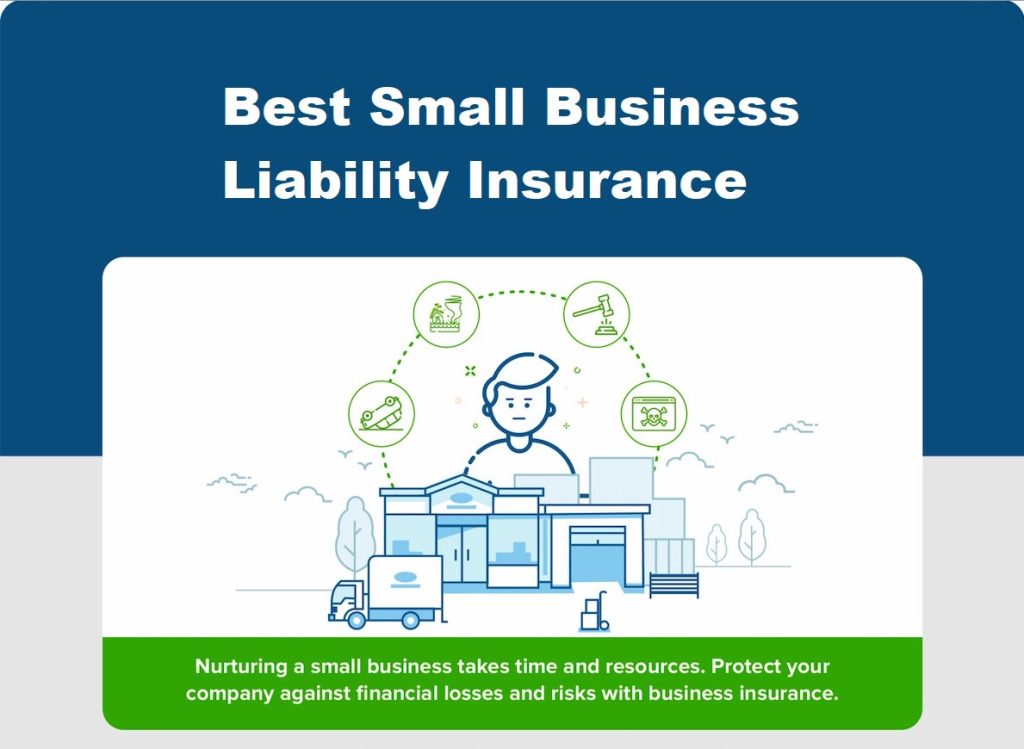
Liability insurance protects businesses from financial losses due to claims of negligence or wrongdoing. Contractors specifically require comprehensive liability coverage to safeguard their operations and clients.
General Liability Insurance, Best liability insurance for small business contractors
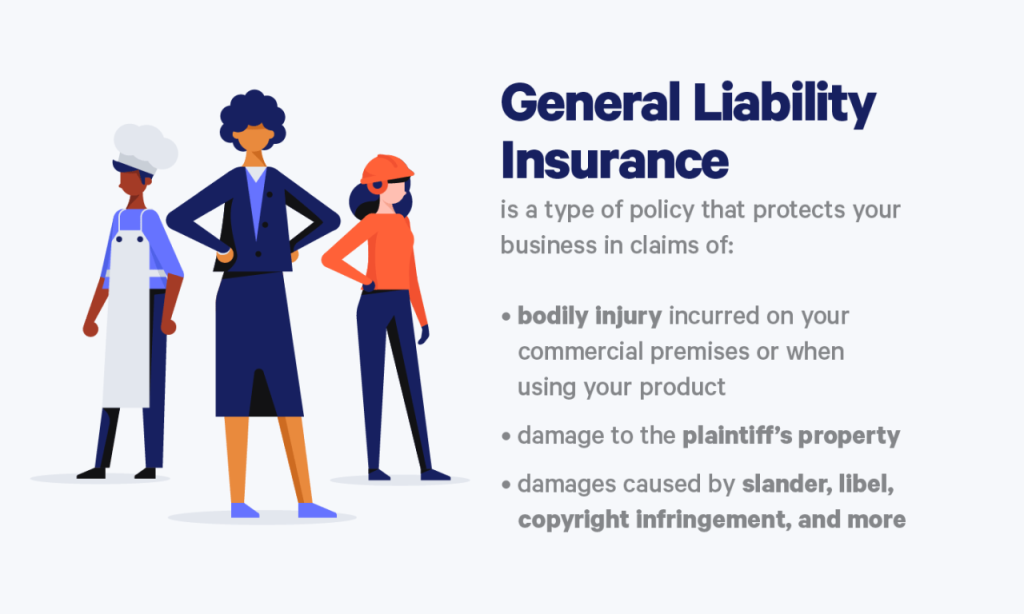
General liability insurance provides broad coverage for common risks faced by businesses, including:
- Bodily injury to third parties
- Property damage
- Libel, slander, or defamation
- False arrest or imprisonment
Professional Liability Insurance
Professional liability insurance is crucial for contractors providing professional services. It protects against claims of negligence or errors and omissions in the performance of their professional duties. This coverage is especially important for architects, engineers, and consultants.
Product Liability Insurance
Product liability insurance is essential for contractors involved in product manufacturing or distribution. It covers claims of bodily injury or property damage caused by defective products. This insurance is vital for businesses that design, manufacture, or sell products.
Factors to Consider When Choosing Liability Insurance

Selecting the most suitable liability insurance for your small business contracting operation requires careful consideration of several key factors. These include the size and industry of your business, the coverage limits you require, the deductibles you are willing to pay, and the exclusions in the policy.
Business Size and Industry
The size and industry of your business play a significant role in determining your liability insurance needs. Larger businesses typically have more employees, assets, and revenue, which can increase their potential exposure to liability claims. Certain industries, such as construction and healthcare, also carry higher risks due to the nature of their work.
Coverage Limits
Coverage limits refer to the maximum amount of money your insurance policy will pay out in the event of a covered claim. It is crucial to choose appropriate coverage limits to ensure you have sufficient protection against potential financial losses. Consider your business’s assets, revenue, and potential risks when determining the coverage limits you need.
When starting a small business, liability insurance is essential to protect against potential claims. Similarly, first-time drivers with no experience should consider car insurance to safeguard against accidents. Just as small business contractors need to assess their risk exposure and choose the appropriate liability coverage, first-time drivers should research different insurance options to find the best fit for their needs and budget.
Deductibles
Deductibles are the amount you pay out of pocket before your insurance policy begins to cover claims. Higher deductibles typically result in lower insurance premiums, but they also increase your financial responsibility in the event of a claim. Carefully consider your budget and risk tolerance when choosing a deductible.
Exclusions
Liability insurance policies often contain exclusions, which are specific situations or types of claims that are not covered by the policy. It is essential to carefully review the exclusions in your policy to ensure you are aware of any limitations or gaps in coverage. Common exclusions include intentional acts, criminal activities, and certain types of professional negligence.
Top Liability Insurance Providers for Small Business Contractors
Choosing the right liability insurance provider is crucial for small business contractors. Here’s a table comparing the coverage, premiums, and customer reviews of leading insurance providers:
Note that the information provided is for informational purposes only and should not be considered financial advice. It is recommended to consult with a licensed insurance professional for personalized advice and to determine the best liability insurance option for your specific business needs.
| Company Name | Coverage Details | Premiums | Customer Ratings |
|---|---|---|---|
| Insurer A | Covers general liability, property damage, and bodily injury | Starting at $500 per year | 4.5/5 stars |
| Insurer B | Offers tailored coverage for specific industries | Starting at $750 per year | 4.2/5 stars |
| Insurer C | Provides additional coverage for tools and equipment | Starting at $600 per year | 4.7/5 stars |
| Insurer D | Includes coverage for professional negligence | Starting at $800 per year | 4.0/5 stars |
Best Practices for Managing Liability Insurance
Maintaining adequate liability insurance is crucial for small business contractors, but it’s equally important to manage that insurance effectively. By implementing the following best practices, contractors can ensure they have the coverage they need and minimize their risk of financial losses due to accidents or lawsuits.
Regularly Review and Update Insurance Coverage
Business needs change over time, and so should your liability insurance coverage. Regularly review your policy to ensure it still meets your current needs. Consider factors such as the size of your business, the number of employees, the types of projects you undertake, and any changes in the law that may affect your coverage.
Document All Incidents and Claims
Proper documentation is essential for insurance purposes. Keep a record of all incidents that occur on your job sites, even if they seem minor. Note the date, time, location, and details of the incident. If a claim is filed, having this documentation will help you support your case and expedite the claims process.
Maintain a Safe Work Environment
Implementing safety measures can help reduce the risk of accidents and injuries on your job sites. This can not only protect your workers and the public but also reduce your liability exposure. Some common safety measures include providing proper training to employees, maintaining equipment in good working order, and establishing clear safety protocols.
Additional Considerations for Contractors: Best Liability Insurance For Small Business Contractors
Contractors should be aware of additional liability considerations to protect themselves and their businesses.
These include ensuring subcontractors have adequate insurance, understanding how contracts impact liability coverage, and securing workers’ compensation insurance.
Subcontractor Liability
Contractors are responsible for the actions of their subcontractors. If a subcontractor causes damage or injury, the contractor may be held liable.
To protect themselves, contractors should ensure that their subcontractors have adequate liability insurance.