
With Best home insurance for homes in earthquake-prone high-risk areas at the forefront, this paragraph opens a window to an amazing start and intrigue, inviting readers to embark on a storytelling semrush author style filled with unexpected twists and insights.
In areas where earthquakes are a constant threat, securing the right home insurance is paramount. This guide delves into the intricacies of earthquake coverage, empowering homeowners to make informed decisions and safeguard their homes against the devastating impact of seismic activity.
Identifying High-Risk Earthquake Zones
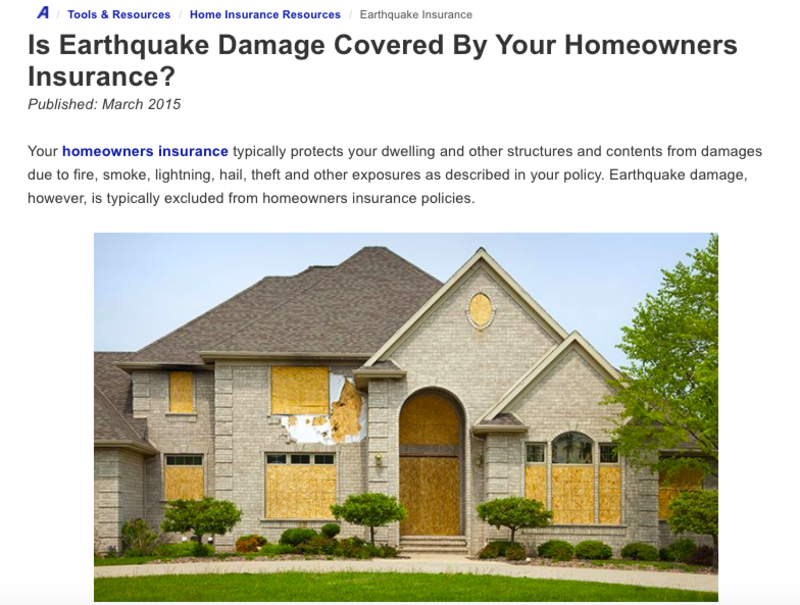
Recognizing regions vulnerable to earthquakes and their associated seismic activity levels is critical for assessing earthquake risk. Several factors contribute to earthquake risk, including the presence of fault lines, the composition of the ground, and the enforcement of building codes.
Fault lines, which are fractures in the Earth’s crust, serve as the primary source of earthquakes. The movement of tectonic plates along these faults releases energy, generating seismic waves that cause the ground to shake. The proximity to active fault lines significantly increases the risk of earthquakes.
Protecting your home in an earthquake-prone area is crucial. Comprehensive home insurance can provide peace of mind and financial support in the event of a disaster. While exploring options for homeowners insurance, consider the financial needs of your family. If you’re a single parent with a low income, affordable car insurance is essential.
By securing both home and auto insurance, you can safeguard your family’s financial well-being and ensure their protection in various circumstances.
Ground Composition, Best home insurance for homes in earthquake-prone high-risk areas
The composition of the ground plays a crucial role in determining the severity of earthquake shaking. Soft, loose soils amplify seismic waves, resulting in more intense shaking compared to hard, rocky ground. This is because softer soils are less stable and more prone to liquefaction, a process where the soil loses its strength and behaves like a liquid.
Building Codes
Building codes are regulations that govern the construction of structures to withstand earthquakes. Adherence to these codes ensures that buildings are designed and built to resist seismic forces. Areas with strict building codes have a lower risk of earthquake damage compared to regions with lax or outdated codes.
Evaluating Home Insurance Policies for Earthquake Coverage

Importance of Earthquake Coverage in High-Risk Areas
In earthquake-prone regions, obtaining earthquake coverage is crucial for homeowners. Earthquakes can cause severe damage to homes, leading to costly repairs and financial losses. Earthquake insurance provides financial protection against such damages, ensuring homeowners can rebuild or repair their homes without facing financial burdens.
Comparison of Earthquake Coverage Options
Various insurance providers offer earthquake coverage with different terms, deductibles, and exclusions. The following table compares the coverage options of several providers:
| Provider | Coverage Limit | Deductible Options | Exclusions |
|---|---|---|---|
| Provider A | Up to 100% of home’s value | 5%, 10%, 15% | Flooding, landslides, tsunamis |
| Provider B | Up to 75% of home’s value | 2%, 5%, 10% | Pre-existing damage, cosmetic damage |
| Provider C | Up to 50% of home’s value | 10%, 15%, 20% | Earthquake-related damage to outbuildings |
Assessing Home Features and Structural Integrity
Impact of Home Construction Materials and Design on Earthquake Resistance
The materials used in the construction of a home and its overall design play a crucial role in determining its resistance to earthquakes. Homes built with sturdy materials and well-engineered designs are more likely to withstand seismic activity and minimize damage.
Home insurance for high-risk areas can provide peace of mind for homeowners in earthquake-prone regions. However, it’s equally important to consider affordable pet insurance for senior dogs with pre-existing conditions, as they often require specialized care. By researching affordable pet insurance options , you can ensure your furry companion receives the necessary medical attention while protecting your home from earthquake-related damages.
Some of the key factors that influence earthquake resistance include:
- Foundation: A strong foundation is essential for anchoring the home to the ground and preventing it from shifting during an earthquake. Concrete foundations are generally more resistant to earthquakes than crawl spaces or basements.
- Walls: Reinforced concrete walls, shear walls, and steel frames are highly effective in resisting earthquake forces. Brick or stone walls, on the other hand, are more susceptible to cracking and collapse.
- Roof: A well-braced roof can prevent collapse and protect the home’s interior from falling debris. Metal roofs are particularly resistant to earthquakes due to their lightweight and durability.
- Connections: The way in which different parts of the home are connected is crucial for earthquake resistance. Strong bolts, nails, and other fasteners should be used to secure walls, floors, and the roof together.
Understanding Claims Process and Coverage Limitations
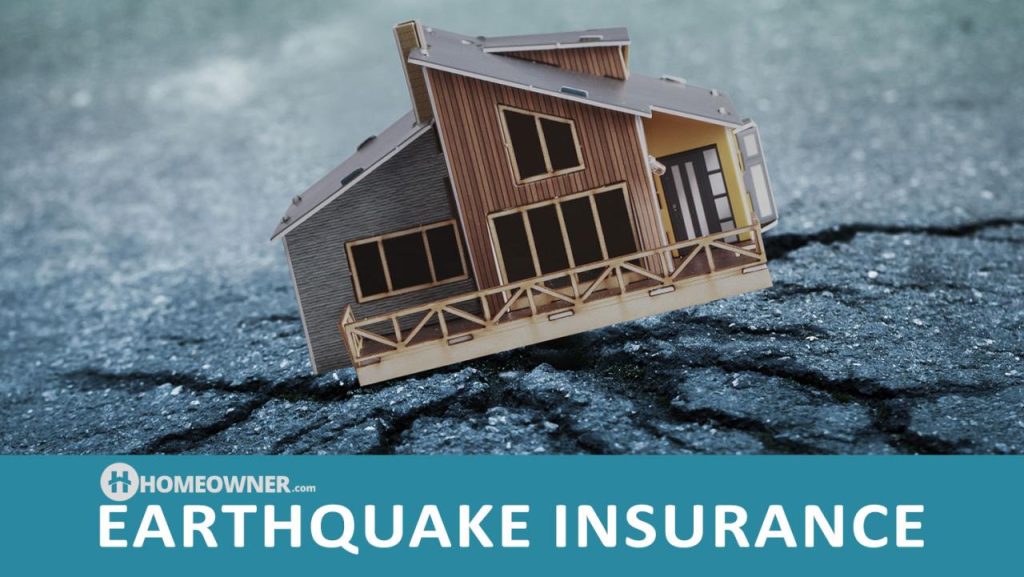
Filing an earthquake damage claim involves gathering documentation, such as photos, repair estimates, and proof of ownership. Timelines vary depending on the insurance company and the extent of damage.
Coverage limitations exist, excluding damage caused by floods or landslides. Understanding these limitations is crucial to avoid unexpected denials.
Negotiating with Insurance Companies
- Document all damages thoroughly, including photos and estimates.
- Be prepared to provide detailed information about the earthquake and its impact.
- Negotiate coverage limits and deductibles based on the actual value of your home.
Additional Considerations for Homeowners in Earthquake-Prone Areas: Best Home Insurance For Homes In Earthquake-prone High-risk Areas
Living in an earthquake-prone area requires homeowners to be well-prepared for potential disasters. Beyond securing adequate home insurance, there are additional measures homeowners can take to ensure their safety and minimize property damage.
Emergency Preparedness Plans
Creating a comprehensive emergency preparedness plan is crucial. This plan should include designated evacuation routes, meeting points for family members, and a communication strategy in case of separation.
Supply Kits
Assembling emergency supply kits is essential. These kits should contain non-perishable food, water, first-aid supplies, medications, a battery-powered radio, flashlights, and other necessary items to sustain oneself for several days.
Home Inventories and Documentation
Maintaining an up-to-date home inventory with photos or videos is vital for insurance claims. Documenting the contents of your home will help you provide proof of ownership and value in case of damage or loss.
Earthquake Preparedness Resources
- Federal Emergency Management Agency (FEMA): https://www.fema.gov/
- American Red Cross: https://www.redcross.org/
- Earthquake Country Alliance: https://www.earthquakecountry.org/
These organizations provide valuable information and resources on earthquake preparedness and disaster recovery.