
Best health insurance for pre-existing conditions in California – Navigating health insurance with pre-existing conditions can be a daunting task, but it doesn’t have to be. Discover the best health insurance options in California tailored to your specific needs, ensuring you get the coverage you deserve.
In this comprehensive guide, we’ll delve into the intricacies of health insurance plans, empowering you to make informed decisions and find the perfect fit for your health and financial situation.
Understanding Pre-Existing Conditions

Pre-existing conditions are health conditions that an individual has before obtaining health insurance. These conditions can include chronic illnesses, such as diabetes or heart disease, or even minor conditions, such as allergies or asthma.
Pre-existing conditions can make it difficult to obtain health insurance. Insurance companies may deny coverage to individuals with pre-existing conditions, or they may charge higher premiums. This can make it difficult for individuals with pre-existing conditions to get the health care they need.
Securing health insurance in California can be challenging with pre-existing conditions, but exploring options is crucial. Similarly, coastal property owners in Florida should consider best home insurance for coastal properties in Florida to protect their homes from potential hurricanes. Returning to health insurance, it’s essential to compare plans, consult with brokers, and understand coverage limitations for pre-existing conditions in California.
Challenges Individuals with Pre-Existing Conditions Face in Obtaining Coverage
Individuals with pre-existing conditions face a number of challenges in obtaining health insurance. These challenges include:
- Denial of coverage: Insurance companies may deny coverage to individuals with pre-existing conditions. This can make it difficult for individuals to get the health care they need.
- Higher premiums: Insurance companies may charge higher premiums to individuals with pre-existing conditions. This can make it difficult for individuals to afford health insurance.
- Limited coverage: Insurance companies may limit coverage for pre-existing conditions. This can make it difficult for individuals to get the care they need for their pre-existing conditions.
Types of Health Insurance Plans in California: Best Health Insurance For Pre-existing Conditions In California

California offers various health insurance plans to meet the diverse needs of its residents. Understanding the differences between these plans is crucial for selecting the most suitable option for your specific situation. The three main types of health insurance plans available in California are Health Maintenance Organizations (HMOs), Preferred Provider Organizations (PPOs), and Exclusive Provider Organizations (EPOs).
Health Maintenance Organizations (HMOs)
HMOs offer comprehensive health coverage within a network of contracted providers. Enrollees are required to choose a primary care physician (PCP) who coordinates their care and refers them to specialists within the network if necessary. HMOs typically have lower monthly premiums compared to other plans but may have limited flexibility in choosing providers.
Preferred Provider Organizations (PPOs), Best health insurance for pre-existing conditions in California
PPOs provide more flexibility in choosing healthcare providers. Enrollees can visit any provider within the PPO network without a referral, but they may pay higher out-of-pocket costs if they choose to see providers outside the network. PPOs typically have higher monthly premiums than HMOs but offer greater freedom in selecting providers.
Exclusive Provider Organizations (EPOs)
EPOs are similar to HMOs in that they require enrollees to stay within a network of contracted providers. However, EPOs do not offer the option of choosing a PCP, and referrals are not required to see specialists within the network. EPOs typically have lower monthly premiums than PPOs but offer less flexibility in choosing providers.
Evaluating Health Insurance Options
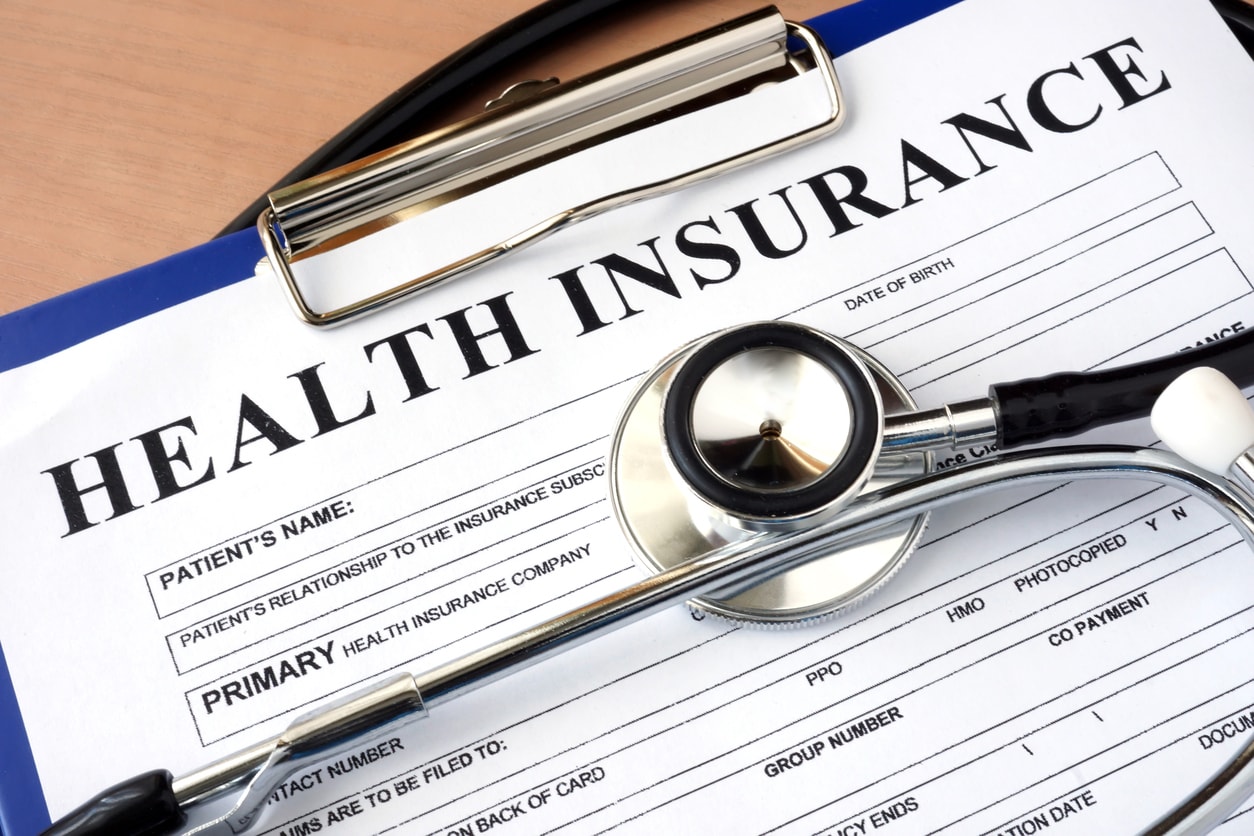
Selecting the optimal health insurance plan in California necessitates a thorough evaluation of available options. Consider the following steps to make an informed decision:
Step 1: Determine Your Needs
Assess your current health status, anticipated medical expenses, and long-term health goals. Consider your age, lifestyle, and family history to identify specific coverage requirements.
Step 2: Research Different Plans
- Utilize online health insurance marketplaces like Covered California or HealthCare.gov to compare plans from various insurers.
- Consult with insurance brokers who can provide personalized guidance based on your specific needs.
- Review plan summaries and policy documents carefully to understand coverage details, premiums, and deductibles.
Step 3: Compare Plan Benefits
Finding the best health insurance for pre-existing conditions in California can be a daunting task, but there are options available to help you get the coverage you need. Many insurance companies offer plans that cover pre-existing conditions, and some even offer discounts for military veterans.
For example, Car insurance discounts for military veterans are available from many providers. When comparing plans, be sure to consider the monthly premiums, deductibles, and out-of-pocket costs to find the plan that’s right for you.
- Evaluate the scope of coverage, including essential health benefits, preventive care, and prescription drug coverage.
- Consider the availability of preferred provider networks (PPOs) or health maintenance organizations (HMOs), which may affect your choice of healthcare providers.
- Assess the annual deductible, copayments, and coinsurance requirements to determine out-of-pocket expenses.
Step 4: Estimate Premium Costs
Calculate the monthly or annual premium payments for each plan. Factor in any applicable subsidies or tax credits that may reduce your costs.
Step 5: Make a Decision
Weigh the benefits, costs, and coverage options of each plan to determine the best fit for your needs and budget. Consider your current health status, future health goals, and financial situation.
Finding the Best Health Insurance for Pre-Existing Conditions

Finding the right health insurance plan with pre-existing conditions can be challenging, but it’s not impossible. Here are some tips to help you find the best coverage:
• Start by researching different health insurance plans. There are many different plans available, so it’s important to compare them and find one that meets your needs.
• Look for plans that cover pre-existing conditions. Not all plans do, so it’s important to make sure that the plan you choose covers your pre-existing conditions.
• Compare the costs of different plans. Health insurance plans can vary in cost, so it’s important to compare the costs of different plans before you choose one.
• Consider your budget. Health insurance can be expensive, so it’s important to consider your budget when choosing a plan.
• Talk to a health insurance agent. A health insurance agent can help you find the best plan for your needs.
Negotiating with Insurers
If you have pre-existing conditions, you may be able to negotiate with insurers for better terms. Here are some tips:
- Be prepared to provide documentation of your pre-existing conditions.
- Be willing to compromise.
- Be persistent.
Resources and Support

Individuals with pre-existing conditions may find it challenging to secure affordable health insurance. Fortunately, there are numerous resources and support systems available to assist them in navigating the healthcare system and accessing the coverage they need.
Government Programs
The following government programs provide financial assistance and coverage options for individuals with pre-existing conditions:
- Medicare: A federal health insurance program for individuals aged 65 and older, as well as younger individuals with certain disabilities.
- Medicaid: A state-administered health insurance program for low-income individuals and families.
- Children’s Health Insurance Program (CHIP): A federal-state partnership program that provides health insurance to uninsured children.
- Affordable Care Act (ACA) Marketplaces: Online marketplaces where individuals and families can shop for and enroll in health insurance plans that meet certain standards, including coverage for pre-existing conditions.
Non-Profit Organizations
Several non-profit organizations offer assistance with health insurance enrollment, advocacy, and support services:
- National Association of Health Underwriters (NAHU): A professional organization that represents health insurance agents and brokers.
- National Council on Aging (NCOA): A non-profit organization that provides information and resources on health insurance and other issues affecting older adults.
- Kaiser Family Foundation (KFF): A non-profit organization that conducts research and analysis on health insurance and other healthcare issues.
Accessing Free or Low-Cost Health Care Services
In addition to health insurance coverage, individuals with pre-existing conditions may also qualify for free or low-cost health care services through the following programs:
- Community health centers: Non-profit organizations that provide comprehensive health care services to underserved communities, regardless of their ability to pay.
- Federally Qualified Health Centers (FQHCs): Community health centers that receive federal funding to provide comprehensive health care services to low-income and uninsured individuals.
- Sliding fee scale clinics: Health care clinics that charge patients based on their income and ability to pay.
Insurance Regulators and Consumer Advocates
For individuals who need assistance with health insurance issues, the following resources are available:
- California Department of Insurance (CDI): The state agency responsible for regulating the insurance industry in California.
- California Health Advocates: A non-profit organization that provides free and confidential health insurance counseling and assistance.
- National Association of Insurance Commissioners (NAIC): An organization that represents state insurance regulators and provides resources on health insurance issues.