Best auto insurance for seniors with pre-existing conditions over 65 presents a unique set of challenges and considerations. Understanding the impact of pre-existing health conditions on insurance premiums and coverage is crucial. This guide explores the types of auto insurance available, key factors to consider when comparing companies, and strategies for finding the best coverage at the most affordable price.
Navigating the complexities of auto insurance for seniors over 65 requires careful evaluation and informed decision-making. This guide provides valuable insights to help you make the right choice for your specific needs.
Senior Drivers’ Insurance Needs
Senior drivers, individuals aged 65 and older, face unique challenges and considerations when it comes to auto insurance. With advancing age, certain health conditions may arise, potentially impacting their driving abilities and insurance coverage.
Pre-existing health conditions, such as cognitive impairments, vision or hearing loss, or chronic illnesses, can influence insurance premiums and coverage. Insurance companies assess the potential risks associated with these conditions and adjust premiums accordingly.
Impact of Pre-existing Conditions on Insurance
- Increased Premiums: Pre-existing health conditions may lead to higher insurance premiums due to the perceived increased risk of accidents or medical emergencies while driving.
- Coverage Limitations: Some insurance companies may impose coverage limitations or exclusions for drivers with specific pre-existing conditions, such as restricting driving during certain hours or in certain areas.
- Medical History Disclosure: Drivers are typically required to disclose their medical history during the insurance application process. Failure to disclose pre-existing conditions can result in policy cancellation or denial of claims.
Types of Auto Insurance for Seniors: Best Auto Insurance For Seniors With Pre-existing Conditions Over 65

Seniors have unique auto insurance needs that differ from younger drivers. Understanding the various types of auto insurance available can help them make informed decisions to protect themselves and their vehicles.
The following are the primary types of auto insurance coverage:
Liability Coverage
- Covers damages caused to others in an accident, including bodily injury and property damage.
- Required by law in most states.
- Protects the insured driver from financial responsibility in case of an accident.
Collision Coverage
- Covers damages to the insured vehicle in an accident, regardless of fault.
- Optional coverage, but highly recommended for seniors.
- Protects the insured driver from financial loss in case of an accident, especially if they are at fault.
Comprehensive Coverage
- Covers damages to the insured vehicle from non-collision events, such as theft, vandalism, fire, and natural disasters.
- Optional coverage, but recommended for seniors who own newer or more valuable vehicles.
- Provides peace of mind and financial protection against unforeseen events.
Uninsured/Underinsured Motorist Coverage, Best auto insurance for seniors with pre-existing conditions over 65
- Covers damages caused by uninsured or underinsured drivers.
- Protects the insured driver from financial loss in case of an accident with an at-fault driver who does not have adequate insurance.
- Optional coverage, but highly recommended for seniors who drive in areas with high rates of uninsured drivers.
Finding the Best Auto Insurance Company
When comparing auto insurance companies for seniors with pre-existing conditions, it is important to consider the following key factors:
- Coverage: Make sure the company offers comprehensive coverage that meets your specific needs, including coverage for pre-existing conditions.
- Premiums: Compare quotes from multiple insurers to find the most affordable rates.
- Deductibles: Choose a deductible that you can afford to pay in the event of an accident.
- Customer service: Look for a company with a good reputation for customer service, including prompt claims processing and helpful support staff.
Reading Reviews from Other Policyholders
In addition to comparing quotes and coverage, it is also important to read reviews from other policyholders to get a sense of their experiences with different insurance companies. This can help you identify companies that have a good track record of providing quality service and support to seniors with pre-existing conditions.
Discounts and Savings
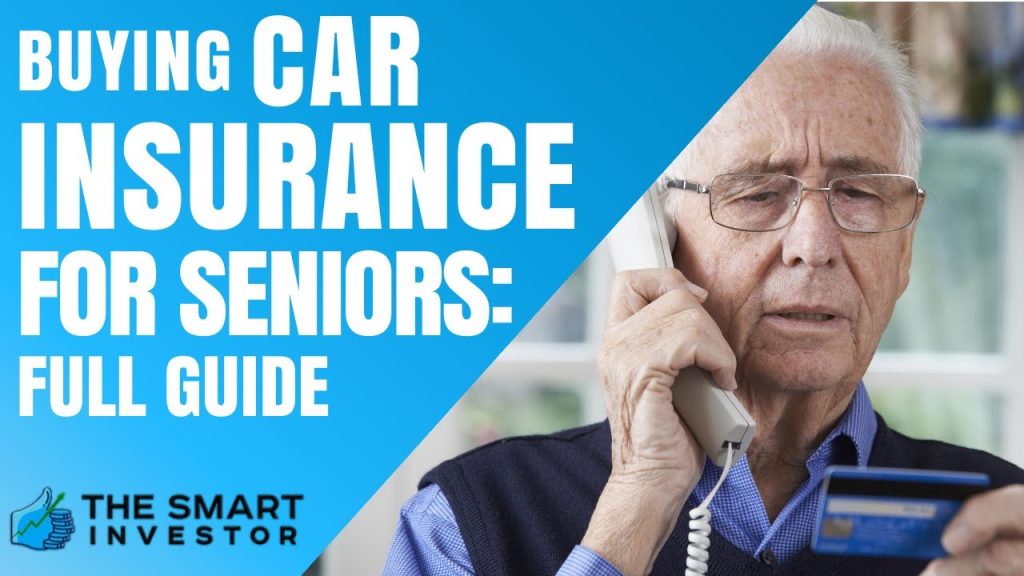
Seniors can often qualify for discounts and savings on their auto insurance. These discounts can help reduce the cost of coverage and make it more affordable for seniors to maintain their vehicles.
Some of the most common discounts that seniors may be eligible for include:
- Safe driver discounts: Seniors who have a clean driving record may be eligible for discounts on their auto insurance. These discounts can range from 5% to 15% or more.
- Multiple policy discounts: Seniors who bundle their auto insurance with other policies, such as homeowners or renters insurance, may be eligible for discounts on their auto insurance. These discounts can range from 5% to 10% or more.
- Organization discounts: Seniors who are members of certain organizations, such as AARP or AAA, may be eligible for discounts on their auto insurance. These discounts can range from 5% to 10% or more.
Additional Considerations

When choosing auto insurance, seniors should also consider additional factors such as:
- Medical payments coverage: This coverage helps pay for medical expenses incurred in an accident, regardless of fault.
- Roadside assistance: This coverage provides assistance with services such as towing, flat tire changes, and jump-starts.
It is important to review your auto insurance policy regularly and make adjustments as needed. Your needs may change over time, such as if you move to a new area or add a new driver to your policy. By reviewing your policy regularly, you can ensure that you have the right coverage for your needs.
Additional Coverage for Seniors
Seniors may also want to consider additional coverage options, such as:
- Gap insurance: This coverage helps pay the difference between the actual cash value of your car and the amount you owe on your loan or lease.
- Rental car reimbursement: This coverage reimburses you for the cost of a rental car if your car is damaged or stolen.
- Personal injury protection (PIP): This coverage helps pay for medical expenses and lost wages if you are injured in an accident, regardless of fault.