
Affordable health insurance for people with diabetes as a pre-existing condition in California: navigating the complexities, uncovering the options, and empowering individuals toward optimal health outcomes.
Understanding the landscape of health insurance for individuals with diabetes in California is crucial, as this chronic condition often poses challenges in securing affordable coverage. This comprehensive guide delves into the intricacies of health insurance plans, eligibility criteria, consumer protections, and available resources, providing a roadmap for individuals seeking accessible and comprehensive healthcare.
Definition and Importance
Affordable health insurance is a type of health insurance that is available at a reasonable cost, making it accessible to a wider range of people. It is particularly important for individuals with pre-existing conditions, such as diabetes, as it provides them with the necessary coverage for medical expenses related to their condition.
Diabetes is a chronic condition that affects the body’s ability to regulate blood sugar levels. It is a prevalent health issue in California, with an estimated 3.3 million people living with diabetes in the state.
Prevalence of Diabetes in California
According to the California Department of Public Health, diabetes is the seventh leading cause of death in the state. In 2020, there were over 12,000 deaths attributed to diabetes in California.
The prevalence of diabetes varies across different regions of California. The highest rates are found in the Central Valley and Inland Empire regions, where the percentage of adults with diabetes is over 10%.
Challenges and Barriers
Individuals with diabetes face unique challenges in obtaining affordable health insurance due to the condition’s classification as a pre-existing condition.
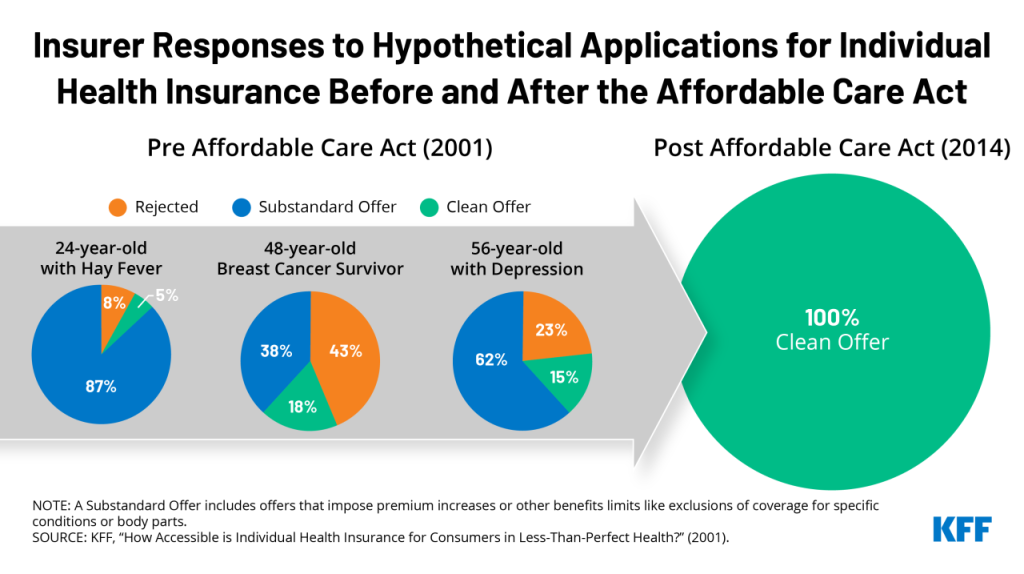
Insurance companies often exclude or limit coverage for pre-existing conditions, making it difficult for people with diabetes to find affordable plans that meet their needs.
Impact of Pre-Existing Condition Exclusions
- Higher premiums: Individuals with diabetes may be charged higher premiums due to the increased risk of healthcare costs associated with the condition.
- Limited coverage: Insurance plans may exclude coverage for certain diabetes-related treatments or medications, leaving individuals responsible for significant out-of-pocket expenses.
- Denied coverage: In some cases, individuals with diabetes may be denied coverage altogether due to the perceived high risk of healthcare costs.
Financial Burden and Healthcare Disparities
The financial burden of diabetes can be significant, particularly for those without adequate health insurance.
- Medical expenses: Diabetes management requires regular doctor visits, medications, and monitoring equipment, which can be costly.
- Lost productivity: Diabetes can lead to complications that affect work productivity, resulting in lost income.
- Health disparities: Individuals with diabetes are more likely to experience health disparities, such as delayed diagnosis, inadequate care, and poorer outcomes, due to lack of access to affordable health insurance.
Available Options

California offers various health insurance plans and providers that cater to individuals with diabetes as a pre-existing condition. These plans provide comprehensive coverage for diabetes management, including medications, doctor visits, and hospitalizations.
There are different types of health insurance plans available in California, each with its own benefits, costs, and limitations. Understanding these plan types is essential for choosing the most suitable option.
Health Maintenance Organizations (HMOs), Affordable health insurance for people with diabetes as a pre-existing condition in California
- Provide comprehensive coverage within a network of doctors and hospitals.
- Typically have lower monthly premiums than other plan types.
- Require members to choose a primary care physician (PCP) who coordinates their care.
- May have limited access to specialists and out-of-network providers.
Preferred Provider Organizations (PPOs)
- Offer more flexibility than HMOs, allowing members to choose doctors and hospitals both within and outside the network.
- Typically have higher monthly premiums than HMOs.
- Provide coverage for out-of-network providers, but at a higher cost.
- May require a referral from a PCP to see a specialist.
Exclusive Provider Organizations (EPOs)
- Similar to HMOs, but with a more limited network of providers.
- Typically have lower monthly premiums than PPOs.
- Do not cover out-of-network providers.
- May require a referral from a PCP to see a specialist.
Eligibility and Enrollment
California residents with diabetes can obtain affordable health insurance through the state’s health insurance marketplace, Covered California. To be eligible, individuals must meet certain income and residency requirements. Income eligibility is based on the federal poverty level (FPL), with subsidies available to those earning up to 400% of the FPL. Residents must also be US citizens or legal residents and cannot be incarcerated.
The enrollment process for Covered California is straightforward. Individuals can apply online, by phone, or in person with the help of a certified enrollment counselor. The application requires basic personal and financial information, as well as information about any pre-existing conditions. Once an application is submitted, individuals will be notified of their eligibility and coverage options.
Healthcare exchanges like Covered California play a crucial role in making health insurance more accessible to individuals with pre-existing conditions. By providing a centralized platform where individuals can compare and purchase health insurance plans, exchanges make it easier for people to find affordable coverage that meets their specific needs. Additionally, subsidies offered through exchanges can significantly reduce the cost of health insurance for eligible individuals.
Consumer Protections and Regulations

Consumers with pre-existing conditions in California are protected by various laws and regulations that ensure they have access to affordable health insurance coverage.
The Affordable Care Act (ACA) is a landmark legislation that has significantly impacted health insurance coverage for people with pre-existing conditions.
The Affordable Care Act (ACA)
- Prohibits insurers from denying coverage or charging higher premiums based on pre-existing conditions.
- Provides tax credits to help individuals and families afford health insurance premiums.
- Expands Medicaid eligibility to cover more low-income individuals.
In addition to the ACA, California has implemented its own laws to protect consumers with pre-existing conditions.
California Health Insurance Guarantee Association (CHIGA)
CHIGA is a state-run program that provides health insurance coverage to individuals who have been denied coverage or charged excessive premiums due to a pre-existing condition.
Grievance Procedures and Resources
Individuals who are facing insurance denials or disputes can file a grievance with their health insurance company.
If the grievance is not resolved, individuals can contact the California Department of Insurance (CDI) for assistance.
Affordable health insurance is essential for people with diabetes as a pre-existing condition in California. With rising healthcare costs, it’s important to explore all options, including Best whole life insurance for people with type 2 diabetes. Whole life insurance provides lifelong coverage and can help offset medical expenses.
By researching and comparing different plans, individuals can find affordable health insurance that meets their specific needs and helps them manage their diabetes effectively.
The CDI can investigate complaints and take enforcement action against insurance companies that violate the law.
Resources and Support
Individuals with diabetes in California have access to a wide range of resources and support organizations dedicated to providing assistance and improving their overall health and well-being.
Finding affordable health insurance in California can be a challenge for those with pre-existing conditions like diabetes. Fortunately, there are programs and resources available to help. While it’s important to address health concerns, it’s equally crucial to consider other aspects of life, such as financial stability.
For retired military veterans, best car insurance discounts can help reduce expenses and provide peace of mind. However, it’s essential to prioritize health and explore options for affordable health insurance to ensure well-being.
These organizations offer a variety of services, including:
- Information and education about diabetes management
- Support groups and peer counseling
- Financial assistance for medical expenses
- Access to affordable healthcare providers
Community Health Centers
Community health centers are non-profit organizations that provide affordable healthcare services to low-income and uninsured individuals. They offer a wide range of services, including primary care, dental care, mental health care, and diabetes management programs.
To find a community health center near you, visit the Health Resources and Services Administration website.
Other Low-Cost Healthcare Providers
In addition to community health centers, there are a number of other low-cost healthcare providers that offer affordable diabetes care. These providers include:
- Federally Qualified Health Centers (FQHCs)
- Rural Health Clinics (RHCs)
- Indian Health Service (IHS) clinics
To find a low-cost healthcare provider near you, visit the Healthcare.gov website.
Comparison and Analysis
When choosing a health insurance plan in California for people with diabetes, it’s essential to compare the different options available. This includes considering plan type, coverage, costs, and provider networks.
The following table provides a comparison of some of the most common health insurance plans available for people with diabetes in California:
| Plan Type | Coverage | Costs | Provider Networks |
|---|---|---|---|
| Health Maintenance Organization (HMO) | Typically covers a wide range of services, including doctor visits, hospital stays, and prescription drugs. | Lower monthly premiums, but may have higher out-of-pocket costs, such as copayments and deductibles. | Limited to a specific network of providers. |
| Preferred Provider Organization (PPO) | Offers more flexibility than HMOs, allowing you to see doctors outside of the network. | Higher monthly premiums, but may have lower out-of-pocket costs than HMOs. | Larger provider networks than HMOs. |
| Exclusive Provider Organization (EPO) | Similar to HMOs, but typically offer lower monthly premiums. | Limited to a specific network of providers, and may not cover out-of-network services. | Smaller provider networks than HMOs. |
| Point-of-Service (POS) | Combines features of HMOs and PPOs, allowing you to see doctors outside of the network for a higher cost. | Monthly premiums may vary depending on the level of coverage chosen. | Larger provider networks than HMOs. |
The best plan for you will depend on your individual needs and budget. If you have a regular doctor or specialist that you see, you may want to choose a plan that includes them in its network. If you prefer more flexibility, you may want to choose a PPO or POS plan.
It’s also important to consider the costs of each plan. Monthly premiums, deductibles, copayments, and coinsurance can all vary significantly. Be sure to compare the total cost of each plan before making a decision.
Case Studies and Success Stories: Affordable Health Insurance For People With Diabetes As A Pre-existing Condition In California
Individuals with diabetes in California have faced significant challenges in obtaining affordable health insurance due to pre-existing condition exclusions. However, there have been success stories of individuals who have overcome these barriers and secured coverage.
One such case is that of Sarah, a 35-year-old woman with Type 1 diabetes. After losing her job and health insurance, Sarah struggled to find an affordable plan that would cover her insulin and other diabetes-related expenses. She was repeatedly denied coverage due to her pre-existing condition.
Overcoming Barriers
Sarah’s story highlights the challenges faced by individuals with diabetes in obtaining affordable health insurance. However, it also demonstrates the strategies that can be used to overcome these barriers.
- Understanding the Affordable Care Act (ACA): Sarah learned about the ACA’s protections for individuals with pre-existing conditions and the availability of subsidies to make coverage more affordable.
- Exploring Different Insurance Options: Sarah researched various health insurance plans, including individual plans, employer-sponsored plans, and Medicaid.
- Seeking Assistance from Insurance Navigators: Sarah contacted an insurance navigator who provided guidance and support throughout the enrollment process.
Positive Impact of Health Insurance
Obtaining affordable health insurance has had a profound impact on Sarah’s life. She is now able to afford her insulin and other diabetes-related medications, which has improved her health outcomes and quality of life.
Sarah’s story is just one example of the positive impact that affordable health insurance can have on the lives of individuals with diabetes. By understanding their rights, exploring different insurance options, and seeking assistance from insurance navigators, individuals with diabetes can overcome barriers and secure the coverage they need to manage their condition and live healthier lives.