“How to get business liability insurance for small businesses” – In the realm of small businesses, securing business liability insurance is a crucial step towards safeguarding your enterprise against unforeseen risks. By understanding the intricacies of this coverage, you can empower your business to thrive in the face of potential claims and lawsuits.
From general liability insurance to specialized policies like professional and product liability coverage, this guide will navigate you through the essential aspects of business liability insurance, empowering you to make informed decisions that protect your business’s future.
Overview of Business Liability Insurance
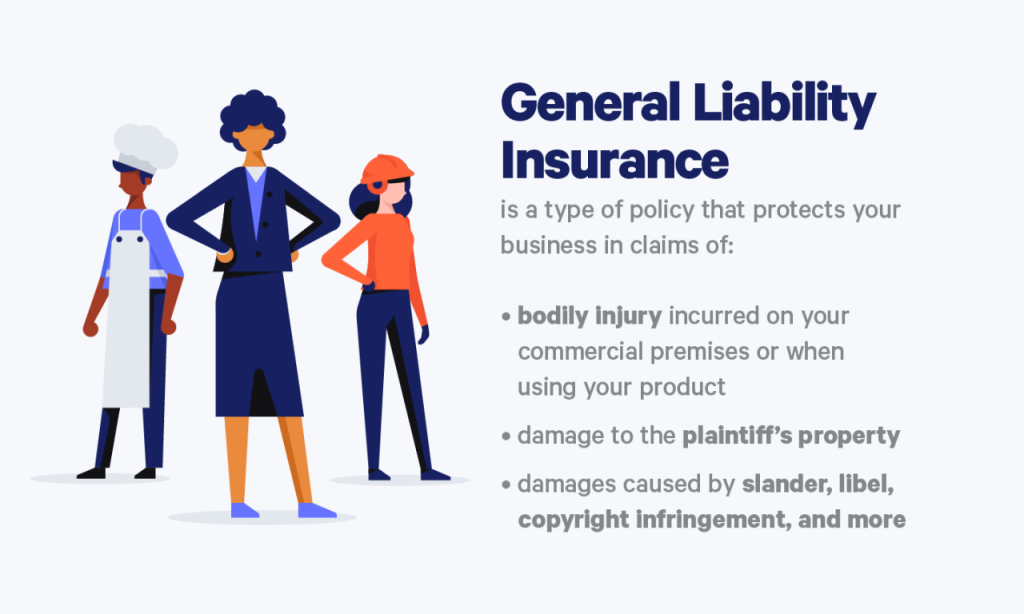
Business liability insurance protects small businesses from financial losses resulting from legal claims alleging bodily injury, property damage, or other harm caused by the business’s operations, products, or services.
There are various types of business liability insurance, including:
- General liability insurance: Covers common risks such as bodily injury, property damage, and personal injury.
- Professional liability insurance: Protects businesses that provide professional services, such as lawyers, accountants, and consultants.
- Product liability insurance: Covers businesses that manufacture or sell products that cause injury or damage.
Business liability insurance typically excludes intentional acts, criminal activities, and damages arising from pollution or environmental hazards.
Obtaining business liability insurance is crucial for small businesses to protect their financial assets, reputation, and future prospects. It provides peace of mind and allows businesses to operate with confidence, knowing they are protected from unexpected events.
Benefits of Business Liability Insurance
Business liability insurance provides numerous benefits that can safeguard your business and its financial well-being.
One of the primary advantages is protection against financial losses arising from lawsuits and claims. In the event of a covered incident, the insurance policy will step in to cover legal expenses, settlements, and judgments, shielding your business from potentially devastating financial burdens.
Provides Peace of Mind and Reduces Business Risks
Having business liability insurance can provide peace of mind and reduce the risks associated with running a business. Knowing that you have financial protection in place can alleviate stress and allow you to focus on growing your business without the constant worry of potential liabilities.
Enhances Credibility and Attracts Customers
Business liability insurance can also enhance the credibility of your business. By demonstrating that you are financially responsible and have taken steps to protect your customers, you can build trust and attract new customers who value peace of mind.
Types of Business Liability Insurance: “How To Get Business Liability Insurance For Small Businesses”
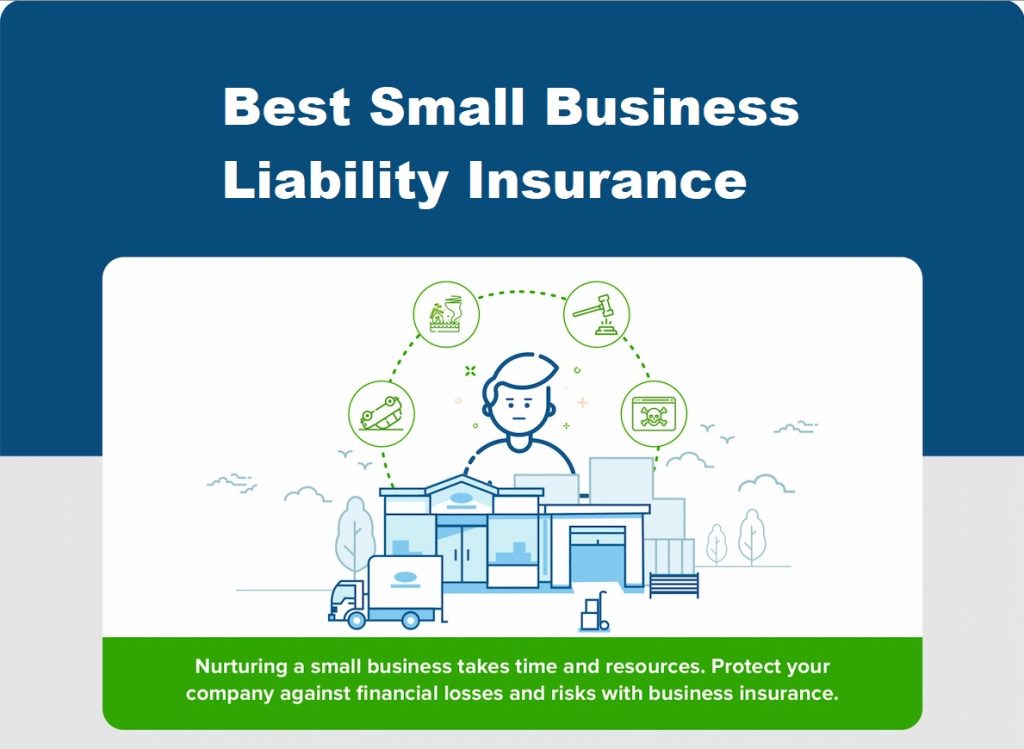
Businesses face a wide range of potential risks, and liability insurance is essential for protecting them from financial losses. There are several types of liability insurance available, each designed to cover specific risks.
The most common type of liability insurance is general liability insurance. This insurance covers businesses for claims of bodily injury, property damage, and advertising injuries. For example, if a customer slips and falls in your store, or if your product causes damage to someone’s property, general liability insurance will cover the costs of their medical bills or property repairs.
Professional Liability Insurance
Professional liability insurance, also known as errors and omissions insurance, protects professionals from claims of negligence or errors in their services. This type of insurance is essential for businesses that provide professional services, such as accountants, lawyers, doctors, and architects.
When it comes to protecting your small business from financial risks, obtaining business liability insurance is crucial. This coverage can provide peace of mind, knowing that you’re shielded from claims related to injuries, property damage, and other potential liabilities. Just like the thrill and excitement of F1 race time , securing business liability insurance ensures a smooth and secure path for your business.
It’s an investment that safeguards your financial well-being and allows you to focus on growth and success.
Product Liability Insurance
Product liability insurance covers businesses against claims arising from defective products. If a product you sell causes injury or damage to someone, product liability insurance will cover the costs of their medical bills or property repairs, as well as any legal expenses.
Protecting your small business with liability insurance is crucial, and understanding the coverage options available is essential. To stay up-to-date with the latest business practices, consider checking out the formula 1 schedule 2024 for insights into industry trends and innovations.
By combining the security of liability insurance with a proactive approach to business management, you can effectively safeguard your small business and set it up for long-term success.
Commercial Auto Insurance
Commercial auto insurance insures vehicles used for business purposes. This insurance covers the costs of medical bills and property damage if you are involved in an accident while driving for business.
Factors to Consider When Choosing a Policy
Choosing the right business liability insurance policy is crucial for protecting your small business from financial losses and legal claims. Several factors should be considered to ensure you have adequate coverage for your specific needs and circumstances.
The size and industry of your business play a significant role in determining the type and amount of coverage you require. Different industries have unique risks and exposures, so it’s essential to tailor your policy accordingly.
Potential Risks and Exposures, “How to get business liability insurance for small businesses”
Carefully assess the potential risks and exposures associated with your business operations. This includes identifying areas where accidents, injuries, property damage, or lawsuits could occur. By understanding these risks, you can determine the appropriate coverage limits and exclusions.
Budget and Financial Capabilities
The cost of business liability insurance should be factored into your overall financial planning. While it’s important to have adequate coverage, it’s also essential to ensure that the premiums are affordable for your business. Consider your budget and financial capabilities when selecting a policy.
Reputation and Customer Base
Your business’s reputation and customer base can be significantly impacted by liability claims. Choosing a policy that provides comprehensive coverage can help protect your reputation and maintain the trust of your customers.
Steps to Obtain Business Liability Insurance
Obtaining business liability insurance is crucial for small businesses to protect themselves against financial risks and legal liabilities. Here are the key steps involved in securing the appropriate coverage:
Identify Insurance Needs and Conduct Research
Before purchasing insurance, it’s essential to assess your business’s specific risks and determine the level of coverage required. Consider factors such as the nature of your operations, potential liabilities, and the value of your assets. Conduct thorough research on different insurance providers and compare their offerings to find the most suitable policy.
Compare Quotes from Multiple Insurers
Once you have identified your insurance needs, obtain quotes from multiple insurers. Compare the coverage, premiums, deductibles, and policy terms to find the best combination of protection and affordability. Consider the insurer’s financial stability, reputation, and customer service before making a decision.
Review Policy Details Carefully Before Purchasing
Before finalizing the purchase, carefully review the policy details to ensure they align with your business’s requirements. Pay attention to the coverage limits, exclusions, and any specific conditions or restrictions. Consult with an insurance agent or broker if you have any questions or need clarification.
Maintain and Update Coverage as the Business Grows
As your business grows and evolves, it’s important to review and update your liability insurance coverage regularly. Changes in operations, expansion of services, or acquisition of new assets may require adjustments to your policy. Regularly assess your insurance needs and make necessary adjustments to ensure adequate protection.
Tips for Small Businesses
Small businesses can benefit from implementing specific strategies to optimize their business liability insurance coverage and minimize costs. These tips can help businesses obtain affordable and comprehensive protection.
By following these tips, small businesses can ensure they have adequate liability protection while minimizing their insurance expenses.
Shop around and compare quotes to find affordable coverage
Comparing quotes from multiple insurance providers is essential for small businesses. Different insurers offer varying rates and coverage options, so it is important to research and find the most suitable and cost-effective policy. Online comparison tools and insurance brokers can assist businesses in comparing quotes and identifying the best coverage for their specific needs.
Consider purchasing additional riders or endorsements to enhance protection
Additional riders or endorsements can extend the coverage of a business liability insurance policy. These add-ons provide additional protection for specific risks or situations that may not be covered under the standard policy. For example, businesses can purchase endorsements for cyber liability, professional liability, or employment practices liability.
Maintain a good claims history to lower premiums
Maintaining a clean claims history is crucial for small businesses. Insurers consider a business’s claims history when determining premiums. Businesses with a history of few or no claims are likely to receive lower premiums compared to those with frequent claims.
Educate employees on risk management and liability prevention
Educating employees on risk management and liability prevention can help businesses reduce the likelihood of incidents that could lead to liability claims. Training programs and workshops can help employees identify and mitigate potential risks, such as workplace accidents, data breaches, or customer complaints.