
Affordable car insurance for low-income families – In the realm of financial security, access to affordable car insurance is a crucial pillar for low-income families. As the cost of living continues to rise, finding ways to reduce expenses without compromising essential coverage is paramount.
This comprehensive guide delves into the complexities of car insurance for low-income families, exploring government programs, insurance providers, and strategies for finding discounts and savings. By understanding the options available and making informed decisions, these families can safeguard their financial well-being and ensure peace of mind on the road.
Defining Low-Income Families and their Financial Situation
Low-income families are defined as households whose income falls below a certain threshold set by the government or other organizations. In the context of car insurance, low-income families may face challenges in obtaining affordable coverage due to their financial constraints.
According to the U.S. Census Bureau, in 2021, 12.8% of the population lived in poverty, with a median income of $17,212 for families below the poverty line. Low-income families often struggle with meeting basic necessities such as housing, food, and healthcare, making it difficult to allocate funds for car insurance premiums.
The financial challenges faced by low-income families have a direct impact on their access to affordable car insurance. Limited income may make it difficult to pay for the upfront costs associated with car insurance, such as deductibles and premiums. Additionally, low-income families may be more likely to own older vehicles, which can be more expensive to insure due to higher repair costs and lower safety ratings.
Understanding Car Insurance Coverage and Costs
Navigating the world of car insurance can be overwhelming, especially for low-income families. Understanding the different types of coverage available, their costs, and the factors that influence premiums is crucial for making informed decisions. This section will provide a comprehensive overview of car insurance coverage and costs, empowering low-income families to secure adequate protection without breaking the bank.
Types of Car Insurance Coverage
Car insurance policies typically offer a range of coverage options, each designed to protect drivers in specific situations. The most common types of coverage include:
- Liability Coverage: Protects drivers from financial responsibility for injuries or property damage caused to others in an accident.
- Collision Coverage: Covers damage to the insured vehicle in an accident, regardless of fault.
- Comprehensive Coverage: Protects the insured vehicle from non-collision events such as theft, vandalism, or natural disasters.
- Uninsured/Underinsured Motorist Coverage: Protects drivers from financial losses caused by accidents involving uninsured or underinsured motorists.
- Medical Payments Coverage: Covers medical expenses for the driver and passengers, regardless of who is at fault.
Factors Influencing Car Insurance Premiums
Car insurance premiums are calculated based on a variety of factors, including:
- Driving History: Accidents, traffic violations, and DUIs can significantly increase premiums.
- Vehicle Type: Sports cars, luxury vehicles, and high-performance cars typically have higher premiums than sedans or compact cars.
- Location: Premiums vary depending on the state, city, and neighborhood where the vehicle is registered.
- Age and Experience: Younger drivers and those with less driving experience generally pay higher premiums.
- Credit Score: In some states, insurers may use credit scores to determine premiums.
Reducing Car Insurance Costs for Low-Income Families, Affordable car insurance for low-income families
Low-income families can take several steps to reduce their car insurance costs without compromising coverage:
- Maintain a Good Driving Record: Avoiding accidents and traffic violations can significantly lower premiums.
- Choose a Safe and Affordable Vehicle: Opting for a used car, a vehicle with a good safety rating, or a vehicle in a lower insurance group can reduce costs.
- Increase Deductibles: Increasing the deductible on collision and comprehensive coverage can lower premiums.
- Shop Around for Quotes: Comparing quotes from multiple insurance companies can help families find the most affordable option.
- Consider Usage-Based Insurance: Programs that track driving behavior and reward safe driving habits can reduce premiums.
- Explore Government Assistance Programs: Some states offer assistance programs for low-income families to help them afford car insurance.
Exploring Government Programs and Assistance

For low-income families, government programs and initiatives offer financial assistance for car insurance. These programs aim to reduce the financial burden of car ownership and promote road safety.
When it comes to affordable car insurance, low-income families have specific needs that must be met. While seniors over 65 may have different insurance requirements, they too deserve access to quality and affordable coverage. Explore our guide to Best auto insurance for seniors over 65 for more insights.
Rest assured, affordable car insurance options are available for low-income families, ensuring financial protection and peace of mind on the road.
Eligibility for these programs varies depending on factors such as income, household size, and state of residence. The application process typically involves submitting an application form and providing proof of income and other relevant documents.
Government Assistance Programs
- Low Income Automobile Insurance (LIA) Programs: Offered in several states, LIA programs provide subsidized car insurance to eligible low-income individuals and families.
- Medicaid Transportation Program: Medicaid, a healthcare program for low-income individuals, may provide transportation benefits that include coverage for car insurance.
- Supplemental Nutrition Assistance Program (SNAP): SNAP, formerly known as food stamps, may offer financial assistance for car insurance premiums as part of its transportation benefits.
These government programs can significantly reduce the cost of car insurance for low-income families, enabling them to meet their transportation needs while maintaining financial stability.
Identifying Affordable Insurance Providers

Securing affordable car insurance is crucial for low-income families to protect their financial well-being and comply with legal requirements. By researching and comparing various insurance companies, families can identify providers that offer cost-effective coverage options tailored to their needs.
The following table presents a list of reputable insurance providers that cater to low-income families, along with their coverage options, premiums, and available discounts or incentives:
Insurance Providers for Low-Income Families
| Provider | Coverage Options | Premiums | Discounts/Incentives |
|---|---|---|---|
| GEICO | Liability, collision, comprehensive, uninsured/underinsured motorist coverage | $400-$600 per year | Good driver discounts, multi-car discounts, safe driver programs |
| Progressive | Liability, collision, comprehensive, rental reimbursement coverage | $500-$700 per year | First-time driver discounts, low mileage discounts, accident forgiveness |
| State Farm | Liability, collision, comprehensive, roadside assistance coverage | $600-$800 per year | Good student discounts, defensive driving course discounts, loyalty discounts |
| Allstate | Liability, collision, comprehensive, gap insurance coverage | $700-$900 per year | New customer discounts, multi-policy discounts, usage-based insurance programs |
| USAA | Liability, collision, comprehensive, travel assistance coverage | $300-$500 per year (for military members and their families) | Military discounts, safe driving discounts, accident forgiveness |
Each provider offers a range of coverage options and premiums to meet the specific needs and budgets of low-income families. It’s important to carefully compare these factors and choose the provider that best aligns with your financial situation and driving history.
Strategies for Finding Discounts and Savings
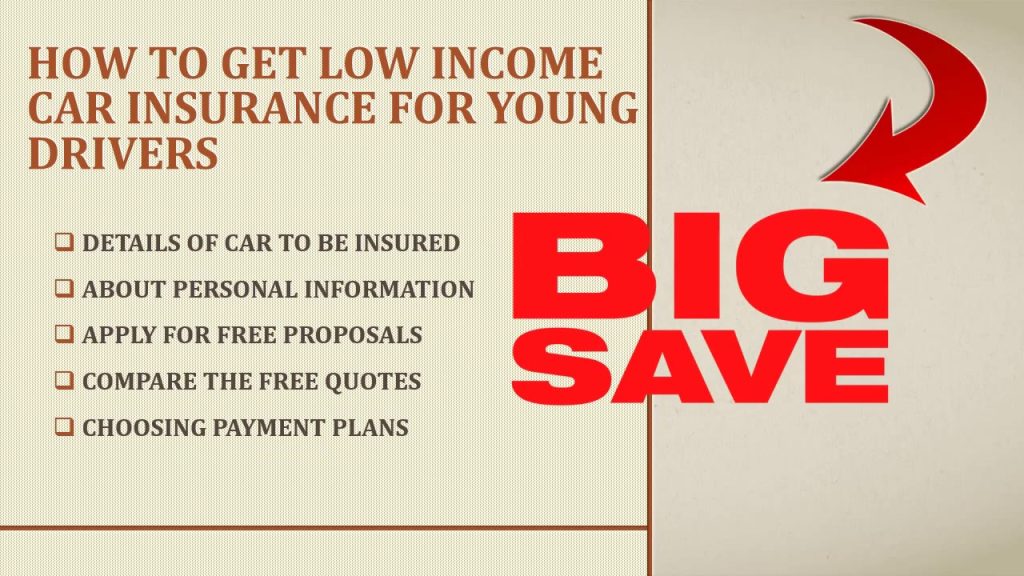
Low-income families can utilize various strategies to reduce their car insurance costs and find savings. Insurance providers offer a range of discounts and cost-saving options to make car insurance more affordable.
Understanding the available discounts and implementing cost-saving measures can significantly lower insurance premiums for low-income families.
Discount Programs
Insurance companies offer various discount programs to incentivize safe driving and reward customer loyalty. These discounts can include:
- Good Driver Discount: Rewarding drivers with a clean driving record and no recent accidents or traffic violations.
- Multi-Car Discount: Providing a discount for insuring multiple vehicles under the same policy.
- Loyalty Discount: Rewarding customers for maintaining their insurance with the same company for an extended period.
- Defensive Driving Course Discount: Offering a discount to drivers who complete approved defensive driving courses.
- Good Student Discount: Providing a discount to young drivers who maintain good academic grades.
Other Cost-Saving Measures
Apart from discount programs, low-income families can explore other cost-saving measures to further reduce their insurance premiums:
- Increase Deductibles: Raising the deductible amount can lower the insurance premium. However, it is essential to choose a deductible that is affordable in case of an accident.
- Usage-Based Insurance: This type of insurance monitors driving habits and rewards safe drivers with lower premiums. It involves installing a device in the vehicle to track driving behavior.
- Shop Around: Comparing quotes from multiple insurance providers can help low-income families find the most affordable option that meets their coverage needs.
Promoting Financial Literacy and Education: Affordable Car Insurance For Low-income Families

Financial literacy is crucial for low-income families to manage their car insurance expenses effectively. Understanding insurance policies, budgeting for car insurance, and making informed financial decisions can significantly reduce the financial burden.
Community Involvement and Support
Community organizations and financial counselors play a vital role in promoting financial literacy. They offer workshops, counseling sessions, and resources that help families understand their financial situation, manage their finances, and make informed decisions about car insurance.